
Suspected hyperthyroidism usually requires examination of thyroid function, thyroid autoantibodies, thyroid ultrasound, blood routine, and liver function. Hyperthyroidism, abbreviated as hyperthyroidism, is an endocrine disorder caused by excessive secretion of thyroid hormones. Timely examination can help clarify the diagnosis and guide subsequent treatment.
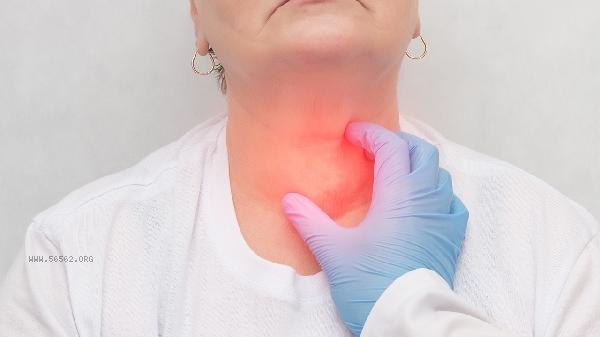
1. Thyroid function:
Thyroid function examination is the core item for diagnosing hyperthyroidism, mainly including thyroid stimulating hormone, free triiodothyronine, and free thyroxine. The typical manifestation of hyperthyroidism patients is a decrease in thyroid stimulating hormone levels, while the levels of free triiodothyronine and free thyroxine are increased. By drawing blood to test these indicators, doctors can preliminarily determine whether the thyroid function is in the hyperthyroidism stage.
2. Thyroid autoantibodies:
Thyroid autoantibody testing can help clarify the cause of hyperthyroidism, especially in distinguishing Graves' disease. Common antibodies include thyroid stimulating hormone receptor antibodies, thyroid peroxidase antibodies, and thyroid globulin antibodies. Among them, thyroid stimulating hormone receptor antibodies are specific indicators for diagnosing Graves' disease, and positive results usually indicate abnormal immune system stimulation of the thyroid gland leading to excessive hormone secretion.
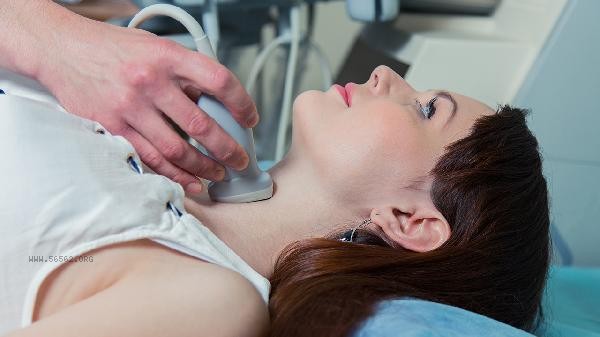
3. Thyroid ultrasound:
Thyroid ultrasound can observe the shape, size, echo, and presence of nodules or abnormal blood flow signals of the thyroid gland. Thyroid ultrasound in patients with hyperthyroidism often shows diffuse enlargement of the thyroid gland, uneven internal echoes, abundant blood flow signals, and a fiery sea sign. This examination is non-invasive and convenient, and can help doctors evaluate structural changes in the thyroid gland and rule out other space occupying lesions.

4. Blood routine examination:
Blood routine examination is mainly used in the diagnosis of hyperthyroidism to evaluate the overall health status of patients and monitor the possible side effects of anti thyroid drugs. Hyperthyroidism itself may lead to a decrease in white blood cells or neutrophils, and some therapeutic drugs such as methimazole tablets and propylthiouracil tablets may further affect bone marrow hematopoietic function. Therefore, regular blood routine check ups before and during treatment are very important to promptly detect and manage risks such as granulocyte deficiency.
5. Liver function:
Liver function examination is an indispensable part of the diagnosis and treatment of hyperthyroidism. Hyperthyroidism itself can lead to liver cell damage and elevated transaminase levels due to metabolic hyperactivity. Meanwhile, anti thyroid drugs such as methimazole tablets, propylthiouracil tablets, and propranolol tablets may all have an impact on liver function. By detecting indicators such as alanine aminotransferase and aspartate aminotransferase, doctors can assess the metabolic status of the liver, ensure medication safety, and adjust treatment plans based on the results. After being diagnosed with hyperthyroidism, it is recommended that patients maintain a regular daily routine, avoid consuming high iodine foods such as seaweed and seaweed, and pay attention to emotional management to reduce mental stress. Diet can appropriately increase foods rich in high-quality protein and vitamins, such as lean meat, eggs, and fresh vegetables, to support the body's metabolic needs. Regularly reviewing thyroid function and blood routine according to medical advice, adjusting medication in a timely manner, can help control the condition and reduce the occurrence of complications.








Comments (0)
Leave a Comment
No comments yet
Be the first to share your thoughts!