
The criteria for overweight and obesity are determined by body mass index (BMI). BMI is a value obtained by dividing body weight (in kilograms) by the square of height (in meters).
1. Method for calculating BMI: The formula for calculating BMI is very simple, which is weight (in kilograms) divided by the square of height (in meters). For example, a person who weighs 70 kilograms and is 1.75 meters tall has a BMI of 70 divided by the square of 1.75, which is approximately 22.9. This value can help us determine whether a person is of normal weight, overweight, or obese.
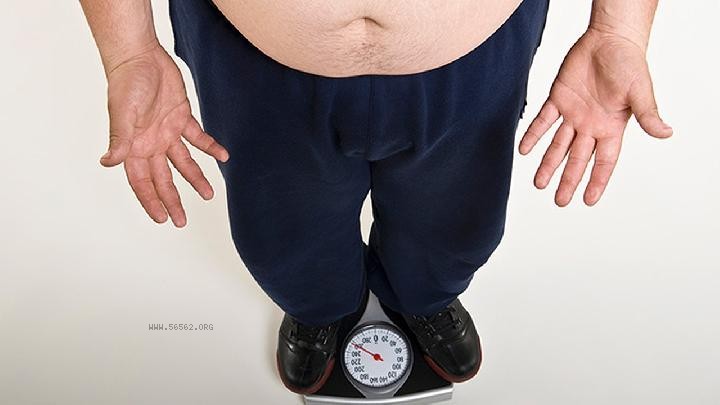
2. classification criteria for BMI: According to the World Health Organization (WHO) standards, a BMI between 18.5 and 24.9 is within the normal range. A BMI between 25 and 29.9 is considered overweight, while a BMI above 30 is considered obese. This classification standard applies to most adults, but may vary for children and the elderly.
3. Health Risks of Overweight and Obesity: Overweight and obesity are not just cosmetic issues, but also pose a range of health risks. For example, being overweight and obese increases the risk of high blood pressure, diabetes, heart disease and certain cancers. Long term overweight or obesity may also lead to joint problems, as excessive weight can put extra pressure on the joints.
4. How to prevent and control overweight and obesity: Maintaining a healthy weight requires a balanced diet and moderate exercise. The daily calorie intake should not exceed the calorie expenditure. You can control calorie intake by eating more fruits, vegetables, whole grains, and low-fat protein. Meanwhile, regularly engaging in moderate intensity exercise such as brisk walking, swimming, or cycling can help burn excess calories.
5. The Importance of Mental Health: In the process of controlling weight, mental health is equally important. Stress, anxiety, and depression may lead to overeating or unhealthy eating habits. Maintaining a positive mindset, seeking social support, and appropriate psychological counseling can effectively help control weight.
6. Personalized weight management plan: Everyone's physical condition and lifestyle habits are different, and it is very important to develop a personalized weight management plan. You can consult a doctor or nutritionist to develop a suitable diet and exercise plan based on your personal health condition and goals.
7. Monitoring and adjustment: Regular monitoring of weight and BMI is an important part of maintaining a healthy weight. If abnormal changes in weight or BMI are found, the diet and exercise plan should be adjusted in a timely manner to avoid further weight gain. Overall, understanding the standards for overweight and obesity and taking proactive measures to prevent and control them is an important part of maintaining a healthy lifestyle. Through a balanced diet, moderate exercise, and attention to mental health, we can effectively manage our weight and reduce health risks.






Comments (0)
Leave a Comment
No comments yet
Be the first to share your thoughts!