
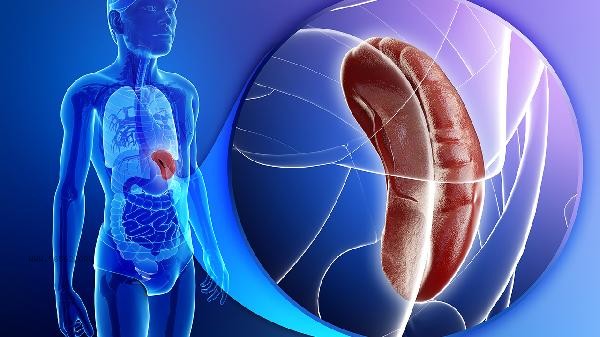
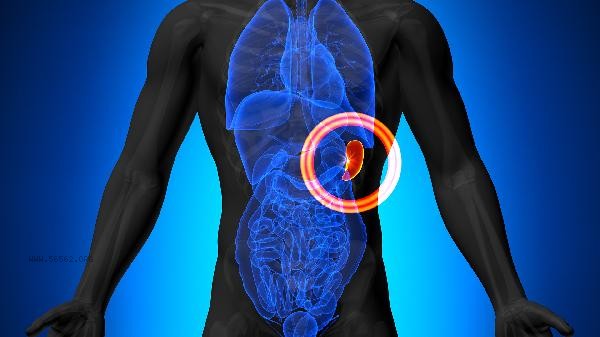
Whether patients with splenomegaly need to take hepatoprotective drugs depends on the specific cause. If it is caused by liver disease, hepatoprotective drugs may need to be used according to medical advice, while other causes usually do not require use. Splenomegaly may be related to factors such as cirrhosis, hematological diseases, infections, etc. It is recommended to seek medical attention promptly to clarify the diagnosis. When splenomegaly is combined with liver disease, such as cirrhosis or viral hepatitis, it may be accompanied by abnormal liver function. In this case, the doctor will evaluate and prescribe hepatoprotective drugs for adjuvant treatment. Common medications include compound glycyrrhizin tablets, silymarin capsules, and bicyclic acid tablets, which help alleviate liver cell damage and improve liver function. But hepatoprotective drugs cannot directly shrink the spleen, and comprehensive treatment is needed for the primary disease, such as antiviral therapy or portal hypertension management. If splenomegaly is caused by non liver diseases such as hemolytic anemia, lymphoma, or infective endocarditis, hepatoprotective drugs are usually ineffective. For example, blood system diseases need to be controlled through chemotherapy or immunomodulation treatment, and infectious diseases need anti infection treatment. Blindly using hepatoprotective drugs at this time may delay the diagnosis and treatment of the primary disease, and even increase the metabolic burden on the liver. Some patients with splenomegaly only have physiological variations or mild congestion, and do not require special medication intervention. Patients with splenomegaly should avoid taking hepatoprotective drugs on their own, and the cause should be determined through blood routine, liver function, imaging, and other examinations. Daily attention should be paid to avoiding intense exercise to prevent spleen rupture, eating a light and easily digestible diet, and limiting high-fat foods to reduce liver burden. If symptoms such as abdominal pain, fever, or skin bruising occur, seek medical attention immediately.








Comments (0)
Leave a Comment
No comments yet
Be the first to share your thoughts!