
Pulmonary bullae can be treated with traditional Chinese medicine as an adjuvant therapy, but it cannot completely replace the targeted treatment of Western medicine. Chinese medicine treatment of pulmonary bullae mainly includes Chinese medicine conditioning, acupuncture and moxibustion therapy, acupoint application, Qigong guidance, diet recuperation and other methods, which should be treated according to the specific conditions of patients. Pulmonary bullae are often formed by the destruction of alveolar structures caused by underlying diseases such as chronic obstructive pulmonary disease and tuberculosis. If breathing difficulties or infections occur, Western medicine intervention should be prioritized.

1. Traditional Chinese Medicine Treatment
Traditional Chinese medicine believes that pulmonary bullae are related to lung qi deficiency and phlegm blood stasis. It is commonly used to modify the formula of Bu Fei Tang and Er Chen Tang, which contains Huangqi, Codonopsis pilosula, Poria cocos, and other herbs to nourish lung qi. Pinellia ternata and tangerine peel are used to dissolve phlegm and disperse nodules. If there is also a heat phenomenon, Huangqin and Sangbaipi can be added to clear heat. For those with obvious blood stasis, Danshen and Chuanxiong can be used to promote blood circulation. It should be noted that traditional Chinese medicine has a longer treatment course, and antibiotics should be used in conjunction with acute infection.
2. acupuncture and moxibustion therapy
Acupuncture at the points of Feishu, Dingchuan and Shanzhong combined with moxibustion at Zusanli can improve lung function. By stimulating meridians to regulate autonomic nervous system function, reduce bronchial spasms, and alleviate symptoms of shortness of breath. But for patients with large pulmonary bullae or pneumothorax, chest and back acupuncture is prohibited to avoid puncturing lung tissue.
3. Acupoint application
Grind and apply drugs such as mustard seed and Asarum to acupoints such as Tian Tu and Da Zhi, and exert the effect of warming the lungs and resolving phlegm through skin penetration. Suitable for those with cough and phlegm, and should be used with caution for those with skin allergies. This method cannot reduce the volume of pulmonary bullae and mainly improves accompanying symptoms.
4. Qigong guidance
Traditional techniques such as Eight Section Brocade and Six Character Formula enhance diaphragm movement by regulating breathing rhythm, helping to improve lung ventilation function. During training, hold your breath and vigorous movements should be avoided. For pulmonary bullae with a diameter exceeding 3 centimeters, they should be performed under the guidance of a physician.
5. Dietary Management
It is recommended to eat lung moistening ingredients such as lilies, Tremella fuciformis, and yam, and avoid spicy, stimulating, and gas producing foods. Snow pear stewed scallop is recommended to moisten the lungs and dissipate phlegm, and siraitia grosvenorii tea is recommended to clear heat and promote swallowing. Dietary adjustments need to be maintained for a long time, and standardized anti infective treatment is still necessary for patients with pulmonary bullae who have already developed infections.
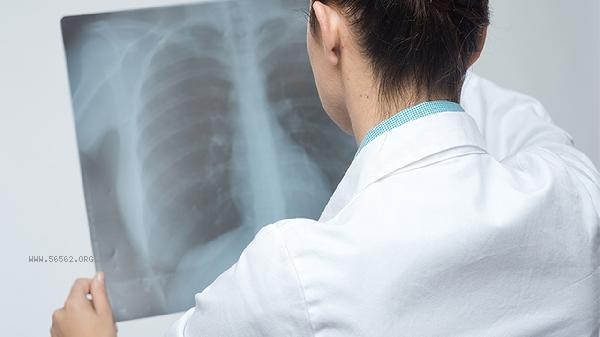
There are two principles that need to be clarified in the treatment of pulmonary bullae with traditional Chinese medicine: firstly, asymptomatic pulmonary bullae with a diameter less than 3 centimeters can be treated with conservative adjustment with traditional Chinese medicine; Secondly, if recurrent infections, hemoptysis, or progressive respiratory distress occur, timely Western medical treatment such as thoracoscopy surgery must be performed. In daily life, smoking cessation should be strictly enforced, and vigorous exercise and high-altitude flying should be avoided. Regular chest CT scans should be conducted to assess changes in pulmonary bullae. When combining traditional Chinese and Western medicine treatment, it is necessary to inform the physician of the prescription used to prevent drug interactions.





Comments (0)
Leave a Comment
No comments yet
Be the first to share your thoughts!