
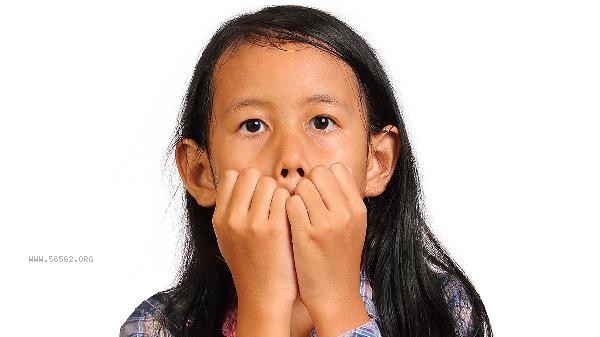
The main psychological treatment methods for children after being frightened include psychological support, cognitive-behavioral therapy, play therapy, family therapy, and art therapy. Children may experience crying, avoidance, sleep problems, and other reactions after being frightened. It is recommended that parents seek professional psychological help in a timely manner.
1. Psychological Support
Psychological support is the fundamental method for dealing with children's emotions after being frightened. The core of this method is to provide children with a safe and accepting environment, making them feel understood and protected. Parents or therapists need to help children express their inner fears and anxieties through gentle language, stable companionship, and active listening. Psychological support can help alleviate children's acute stress response, rebuild their sense of security, and is an important prerequisite for deeper psychological intervention in the future. Parents should maintain emotional stability in their daily lives, avoid showing excessive anxiety in front of their children, and provide support to their children with a calm attitude.
II. Cognitive Behavioral Therapy
Cognitive behavioral therapy works by helping children identify and change negative thinking and behavior patterns triggered by frightening events. Therapists will use age appropriate methods such as storytelling, painting, etc. to guide children to understand their own fears and learn to replace catastrophic thinking with more positive and realistic ideas. At the same time, through techniques such as gradual exposure or behavioral experimentation, children can face fear in a safe and controllable environment and reduce avoidance behavior. This method has a good effect on alleviating specific fears, anxieties, and related behavioral problems, and needs to be performed by professionally trained therapists.
III. Play Therapy
Play therapy is a psychological treatment method particularly suitable for young children. Children spontaneously express and process their emotional experiences after being frightened through game forms such as sandbox games, role-playing, and doll dialogues. In games, children are able to project fear, anger, or helplessness that cannot be described in words. Therapists observe and participate in games to understand children's inner world and guide them to complete emotional release and trauma repair. Game therapy respects the developmental characteristics of children and helps them regain control over their emotions and environment in a non threatening way.
4. Family Therapy
Family therapy believes that children's psychological problems are closely related to the interaction of the family system. After a child is frightened, the coping styles, emotional reactions, and family atmosphere of family members can profoundly affect the child's recovery. Family therapy creates a stable and supportive rehabilitation environment for children by improving communication patterns among family members, adjusting inappropriate interactions, and guiding parents to learn effective soothing and disciplinary skills. This method emphasizes parental cooperation and participation, promoting children's mental health by enhancing the overall functioning of the family.
V. Art Therapy
Art therapy encourages children to express themselves through art forms such as painting, music, dance, or drama. For children who may have limited language expression after being frightened, art provides a nonverbal communication channel. Children can freely explore and release their emotions during the creative process, while therapists use artistic works to understand children's inner conflicts and resources, and guide them to construct meaning and integrate emotions. Art therapy can help reduce children's defensive psychology, promote self-awareness and emotional healing, and the process itself has a soothing and relaxing effect. In addition to professional psychotherapy, daily care at home is crucial. Parents should maintain a regular daily routine for their children, ensure adequate sleep and balanced nutrition, and avoid exposure to stimuli that may trigger fear again, such as horror movies and TV shows. Increasing safe parent-child interaction time, such as reading picture books together or engaging in outdoor activities, can help strengthen parent-child attachment and rebuild a sense of security. Observing children's emotional and behavioral changes, if symptoms persist for more than a month, or if there is social withdrawal, academic decline, or other situations, parents should promptly take their children to the hospital's psychiatric or child health department for evaluation. Patience, understanding, and stable companionship are the best medicines throughout the entire rehabilitation process.




Comments (0)
Leave a Comment
No comments yet
Be the first to share your thoughts!