
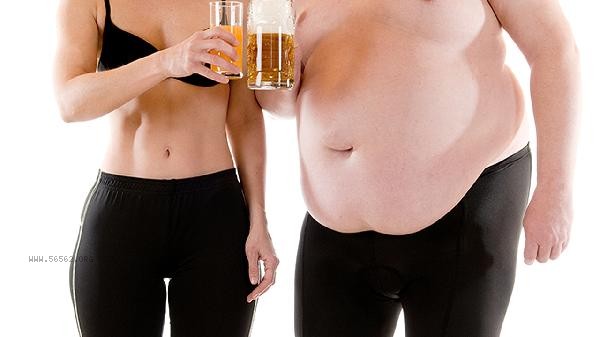
Primary school students can achieve weight loss and slimming through adjusting their diet structure, increasing physical activity, cultivating good lifestyle habits, psychological counseling, and regular weight monitoring. Scientific weight loss should be achieved while ensuring growth and development, avoiding excessive dieting or vigorous exercise.

1. Adjust dietary structure
Control the intake of high sugar and high-fat snacks, replace pastries and potato chips with fruits and sugar free yogurt. Choose low glycemic index foods such as whole grains and mixed grains as staple foods, and pair each meal with sufficient vegetables and high-quality protein such as fish and eggs. Avoid sugary drinks and develop a habit of drinking plain water. Parents should pay attention to the timing and quantity of three meals, and not force their children to eat too much food.
2. Increase physical activity
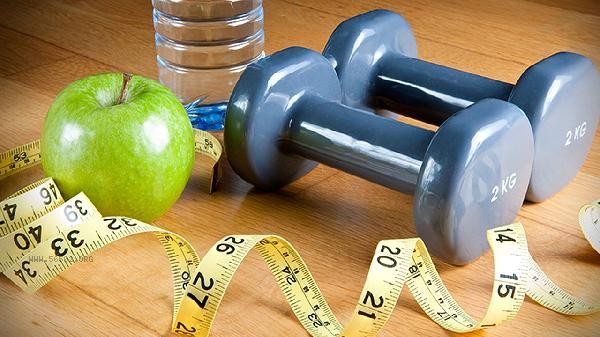
Ensure 60 minutes of moderate to high-intensity exercise per day, such as skipping rope, swimming, ball games, and other aerobic activities, which can be completed in stages. Reduce static activity time and limit single screen usage to no more than 30 minutes. Parents can accompany their children to engage in parent-child sports such as cycling, hiking, etc., to cultivate their interest in sports. Avoid sudden and intense exercise, and follow the principle of gradual progress.
3. Cultivate lifestyle habits
Ensure 8-10 hours of sleep per day, maintain a regular schedule, and avoid staying up late. Focus on chewing slowly while eating, and reduce the behavior of playing with electronic devices while eating. Record daily diet and exercise habits, and establish a healthy lifestyle check-in system. Parents should lead by example and participate in the practice of a healthy lifestyle together.
4. Psychological counseling
Avoid emphasizing weight numbers and instead focus on improving physical fitness and health indicators. Do not use body shaming or excessive reward mechanisms to prevent anxiety. If resistance occurs, it can be guided through gamification, such as designing sports challenge tasks. Seek professional psychological support when necessary.
5. Regular monitoring
Measure height and weight every month and record growth curves to determine if BMI is within the normal range. Regular physical examinations focus on nutritional indicators such as bone density and hemoglobin. If there are abnormalities such as growth retardation and menstrual disorders, it is necessary to seek medical evaluation in a timely manner. It is not recommended for children under 12 years old to use weight loss drugs or meal replacement products on their own. The core of weight loss for primary school students is to establish a sustainable and healthy lifestyle. Parents need to provide nutritionally balanced meals, create opportunities for exercise, and maintain their children's motivation through encouraging education. The recommended weight loss rate is no more than 5% of body weight per month, as rapid weight loss may affect growth and development. If the weight continues to exceed the standard or is accompanied by metabolic abnormalities, one should seek medical attention at the pediatric endocrinology department and develop a personalized intervention plan. Engaging in more outdoor activities in daily life not only burns calories but also promotes vitamin D synthesis, which is beneficial for bone health.




Comments (0)
Leave a Comment
No comments yet
Be the first to share your thoughts!