
The preparation work before colonoscopy mainly includes five aspects: dietary adjustment, intestinal cleaning, medication cessation, psychological preparation, and accompanying arrangements. Adequate preparation is the key to ensuring successful examination, which can help doctors observe the intestinal mucosa clearly and avoid missed diagnosis of lesions.
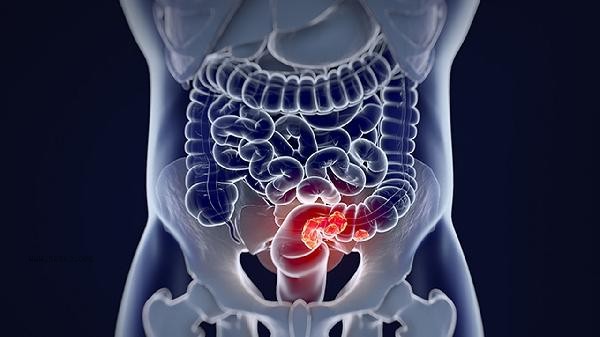
1. Dietary Adjustment:
2-3 days before the examination, it is recommended to start a low residue diet and avoid consuming foods rich in dietary fiber, such as whole grains, beans, nuts, seeds and skins of vegetables and fruits. It can eat porridge, rotten noodles, Mantou, skinless fish, egg soup and other easily digestible foods. The day before the examination, it is necessary to switch to a residue free liquid diet, such as clear soup, lotus root powder, and fruit juice without fruit pulp. On the day of the examination, fasting is required in the morning. If the examination is scheduled in the afternoon, a small amount of transparent liquid such as sugar water can be consumed in the morning. Strictly following dietary requirements can reduce food residues in the intestines and create a foundation for subsequent cleaning.
2. Intestinal cleaning:
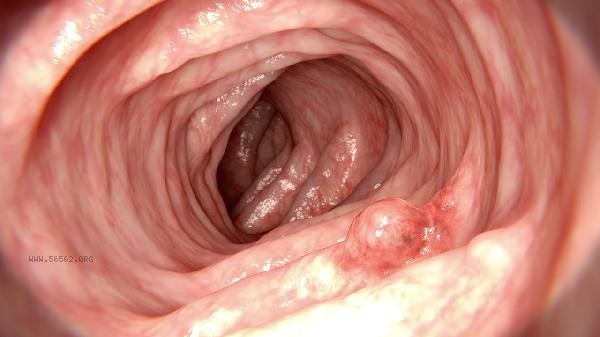
This is the core process, and usually requires taking laxatives prescribed by a doctor, such as compound polyethylene glycol electrolyte powder, magnesium sulfate solution, or mannitol. The general method of administration is to drink the medication in divided doses. Dissolve the medication in 2000-3000 milliliters of warm water and start taking it 4-6 hours before the examination. Drink 250 milliliters every 10-15 minutes until a clear stool is discharged. During medication, it is advisable to walk around and massage the abdomen clockwise to promote excretion. If there is severe abdominal distension or vomiting, the medication can be paused and rested for a while before resuming. Incomplete intestinal cleaning may lead to the omission of polyps or early cancer, so it is necessary to drain to a clear liquid without fecal residue.
3. Drug discontinuation:
Patients who take anticoagulant or antiplatelet drugs for a long time should consult a doctor in advance. Common medications include aspirin enteric coated tablets, warfarin sodium tablets, clopidogrel tablets, etc., which usually need to be discontinued for 3-7 days before examination, depending on the type of medication and the risk of primary disease. In addition, drugs such as iron and bismuth that can turn feces black should also be discontinued for at least 3 days. The hypoglycemic drugs or insulin used by diabetes patients should be suspended once on the day of examination to prevent hypoglycemia during fasting. Hypertensive patients can take antihypertensive medication with a small amount of water in the morning of the examination day.
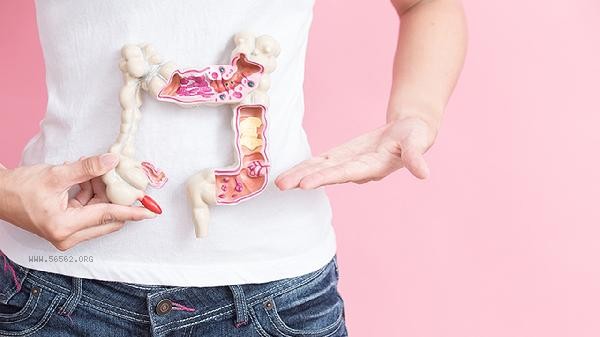
4. Psychological preparation:
Most people feel nervous about colonoscopy, but the examination process usually only takes 15-30 minutes. At present, painless colonoscopy can be chosen, which involves intravenous injection of anesthesia drugs such as propofol injection, allowing patients to complete the examination during sleep without pain throughout the entire process. Although regular colonoscopy may cause some bloating, most people can tolerate it. Before inspection, it is necessary to understand the process, eliminate fear, and maintain a relaxed mindset. Excessive tension can lead to intestinal spasms, increasing operational difficulty and discomfort.
5. Accompanying arrangement:
It is recommended to have family members or friends accompany you on the day of the examination. On the one hand, frequent toileting after taking laxatives may weaken a person and require someone to take care of them; On the other hand, the anesthesia drugs used in painless colonoscopy can affect judgment and coordination ability. Driving vehicles, operating precision instruments, or signing legal documents are prohibited within 24 hours after the examination. Accompanying personnel can assist in handling procedures and listen to the doctor's instructions after the examination, such as maintaining a warm and cool diet after biopsy and avoiding strenuous exercise. Before the SEP examination, it is necessary to fully communicate with the doctor about one's medical history and medication situation to ensure that the preparation plan is personalized. On the day after the examination, warm and soft foods such as rice soup and steamed egg custard can be eaten, avoiding spicy and stimulating foods that produce gas. If you experience persistent abdominal pain, bloody stools, or fever, you should contact a doctor promptly. Standardized preparation work can significantly improve the accuracy and safety of colonoscopy examination, and it is recommended to strictly follow medical advice.








Comments (0)
Leave a Comment
No comments yet
Be the first to share your thoughts!