
After vaginal colposcopy examination, the main precautions include keeping the external genitalia clean, observing bleeding, prohibiting sexual activity, eating a reasonable diet, and following medical advice for medication. Vaginal colposcopy is an examination method used to observe cervical and vaginal lesions. After the examination, self-care is necessary to promote recovery and prevent infection.
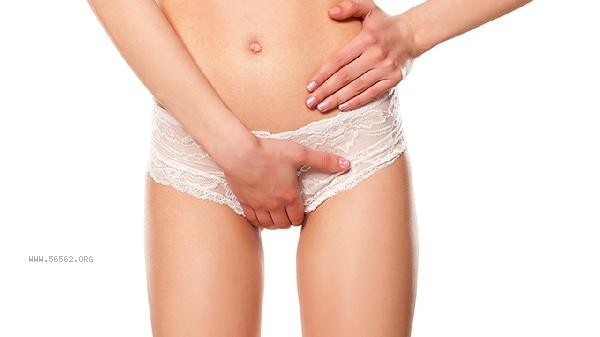
1. Keep the external genitalia clean: After the
examination, the external genitalia should be washed with warm water 1-2 times a day, avoiding the use of irritating washes or baths. Change underwear frequently, choose cotton and loose styles, and keep some areas dry. This can reduce bacterial growth and lower the risk of infection.
2. Pay attention to observing bleeding: After
examination, some women may have a small amount of vaginal bleeding, usually lasting 2-3 days and less than menstrual flow. If the amount of bleeding exceeds menstrual flow or lasts for more than 7 days, seek medical attention promptly. At the same time, pay attention to any abnormal symptoms such as abdominal pain and fever, and seek medical attention as soon as possible if these conditions occur.
3. Sexual activity is prohibited: After the SEP examination, sexual activity should be avoided for at least 2 weeks, and the specific time should follow the doctor's advice. Early sexual intercourse may stimulate cervical wounds, leading to bleeding or infection. In addition, it is not recommended to use sanitary tampons, vaginal suppositories, or perform vaginal flushing to avoid affecting wound healing.
4. Reasonable diet:
It is recommended to consume more foods rich in high-quality protein, such as fish, eggs, soy products, as well as vegetables and fruits rich in vitamin C, such as oranges, kiwis, and broccoli. Avoid spicy and raw foods such as chili peppers and cold drinks, as these foods may irritate the body and worsen discomfort.
5. Follow the doctor's advice on medication:
If the doctor prescribes medication, it should be used on time. Common medications include antibiotics such as cefixime granules to prevent infection, hemostatic drugs such as tranexamic acid tablets to reduce bleeding, or vaginal suppositories such as metronidazole suppositories for local anti-inflammatory effects. Do not increase or decrease the dosage or stop taking the medication on your own. If you experience discomfort such as rash or nausea during the medication period, you should consult a doctor in a timely manner. After the SEP examination, it is recommended to rest for 1-2 days and avoid vigorous exercise and heavy physical labor. Pay attention to observing the body's reactions. If there are persistent abdominal pain, fever, abnormal discharge odor, etc., you should promptly go to the gynecology department for follow-up. Maintaining a positive mindset and following medical advice for regular check ups can help the body recover as soon as possible.








Comments (0)
Leave a Comment
No comments yet
Be the first to share your thoughts!