
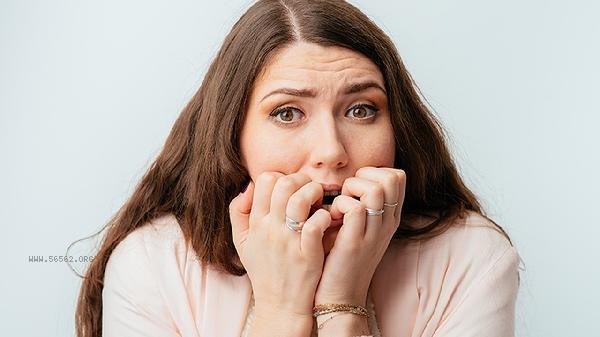
People who dislike socializing but do not suffer from social anxiety often have selective rejection of social activities, which may be related to personality traits, environmental adaptation, cognitive patterns, emotional consumption, value orientation, and other factors. These groups of people are often able to socialize normally, but subjectively avoid meaningless social interactions.
1. Personality traits
Introverted personalities are more likely to develop social aversion, as they recover energy through solitude. Excessive socialization can lead to psychological fatigue. Highly sensitive individuals have a strong response to detail stimuli in social interactions and may experience discomfort due to sounds, odors, or physical contact. Some perfectionists actively avoid it due to concerns about poor social performance.
2. Environmental adaptation
Long term exposure to high-pressure social environments may trigger defensive rejection, such as professionals who require frequent socializing. The conflict of social rules caused by cultural differences can also strengthen disgust, such as when individuals growing up in collectivist environments face Western open society. The popularity of virtual social networking has lowered the threshold for some people's demand for real social interaction.
3. Cognitive Mode
The cognitive view of socializing as a task rather than a pleasure can exacerbate aversive emotions, which is common among people who instrumentalize interpersonal communication. Overly rational analysis of social cost-benefit thinking patterns can easily lead to negative conclusions. Some people have a disastrous imagination of social outcomes, even if their actual social skills are good.

4. Emotional consumption
People with strong empathy are more likely to experience emotional exhaustion in social situations, especially when they need to continuously deal with negative emotions from others. Highly self-monitoring individuals become exhausted due to excessive adjustments in their words and actions. Individuals who have experienced social trauma may use aversion mechanisms for psychological protection. People who value independent thinking often believe that shallow social interactions interfere with deep thinking. Some professionals in certain fields have low social preferences due to the nature of their work, such as research, programming, and other highly focused professions. Minimalists will proactively reduce social spending that they deem unnecessary.
For people who are socially averse but have normal abilities, it is recommended to establish a social screening mechanism and prioritize participation in small-scale activities with common topics. Adopt a timed social strategy, such as setting a fixed number of hours per week for necessary socializing. Develop social forms that integrate interests, such as book clubs, sports communities, etc. Pay attention to distinguishing between periodic emotional lows and persistent social avoidance, the latter of which may require professional psychological support. Maintaining moderate alone time can help balance psychological needs, but complete isolation from socializing may affect social functioning.






Comments (0)
Leave a Comment
No comments yet
Be the first to share your thoughts!