
Moderate consumption of corn by three-year-old children can help supplement energy and dietary fiber, but excessive consumption may lead to indigestion or affect other nutrient intake.
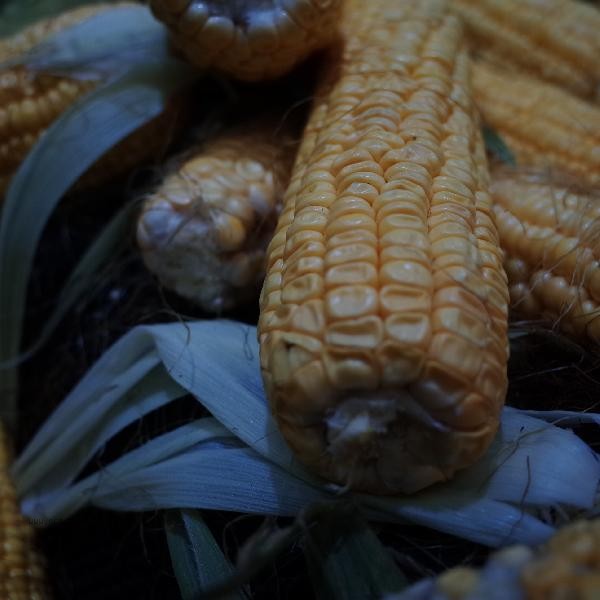
1. Supplement Energy
Corn is rich in carbohydrates, which can provide sufficient energy for three-year-old children's daily activities. Children are in an active period of growth and development, with a high demand for energy. Moderate consumption of corn can help maintain physical strength and support the normal functioning of various bodily functions. The starch in corn is converted into glucose in the body, which is the main fuel source for brain and muscle activity, helping children maintain high energy levels.
2. Promote defecation
Corn is rich in dietary fiber, especially insoluble fiber, which can increase fecal volume, stimulate intestinal peristalsis, and help prevent constipation in three-year-old children. Regular bowel habits are crucial for the health of children's digestive system. Dietary fiber can also serve as a prebiotic, promoting the growth of beneficial bacteria in the intestine, maintaining the balance of intestinal microbiota, and reducing the probability of gastrointestinal discomfort.
3. Protecting Vision
Yellow corn contains carotenoids such as lutein and zeaxanthin, which have a protective effect on the visual development of three-year-old children. They can filter harmful blue light, reduce oxidative stress damage to the retina, and help prevent myopia and other eye diseases. As children's exposure to electronic screens increases, consuming foods rich in these nutrients becomes particularly important for maintaining visual health.
4. Digestive Burden
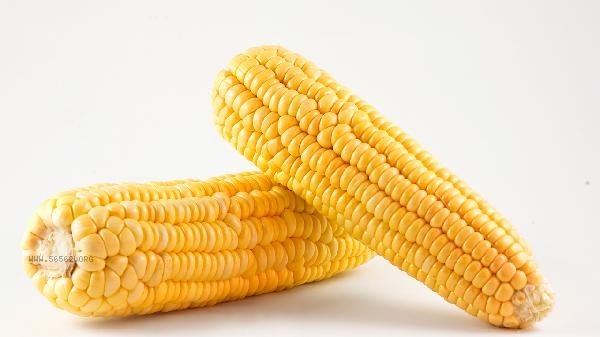
Corn husks are mainly composed of cellulose, with a relatively hard texture. The chewing ability and gastrointestinal digestive function of three-year-old children are not yet fully mature. If not fully chewed or consumed in large quantities at once, indigestible corn husks may irritate the gastric mucosa, causing digestive symptoms such as bloating, abdominal pain, or diarrhea. Parents need to cook corn until it is tender and guide their children to chew slowly to reduce gastrointestinal burden.
5. Nutritional Imbalance
If a three-year-old child overly relies on corn as a staple food, it may occupy stomach capacity, leading to a decrease in intake of other foods such as meat, eggs, dairy products, and vegetables and fruits. Long term exposure can easily lead to deficiencies in key nutrients such as protein, vitamin B12, iron, and zinc, affecting growth, development, and immune function. Although corn is good, it cannot replace a diverse diet and requires a reasonable combination to ensure comprehensive and balanced nutrition.
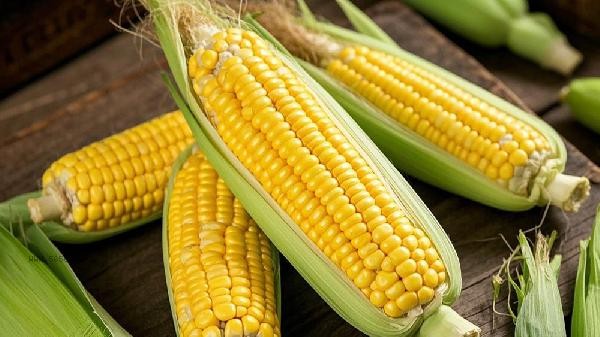
Parents should choose fresh and tender corn for their three-year-old children, cook it thoroughly until soft and tender, and remove the hard outer skin or mix it into corn paste for consumption. Attention should be paid to food diversity in daily diet, pairing corn with high-quality protein sources such as eggs, fish, and vitamin rich vegetables and fruits. At the same time, observe the child's reaction after eating. If there is bloating or abnormal bowel movements, temporarily stop eating and adjust the cooking method to ensure that the child obtains balanced nutrition while enjoying delicious food, promoting healthy growth.



Comments (0)
Leave a Comment
No comments yet
Be the first to share your thoughts!