
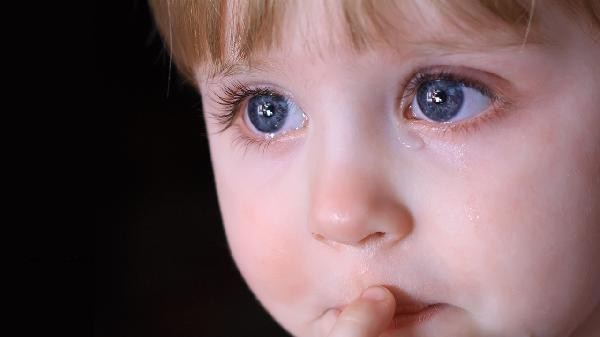
Middle school students who cannot control their emotions and frequently cry may be related to factors such as hormonal fluctuations during adolescence, excessive psychological pressure, tense family relationships, poor campus adaptation, and potential psychological disorders. Emotional loss of control may be a normal phenomenon during the growth stage, or it may require professional psychological intervention.

1. Hormonal fluctuations during puberty
Severe changes in the levels of sex hormones and stress hormones in the body during puberty can temporarily disrupt the emotional regulation function of the amygdala. At this stage, the development of the prefrontal cortex in the brain is not yet complete, and its ability to suppress emotions is weak, making it prone to sudden emotional outbursts such as tears. Maintaining a regular schedule helps stabilize hormone secretion, and ensuring 8 hours of sleep per day can alleviate emotional fluctuations. When sources of stress such as academic competition, exam anxiety, and peer comparison exceed the psychological tolerance threshold, crying becomes a physiological response to release stress. Some students evade difficult tasks by crying, forming a conditioned coping pattern. It is recommended to use mindfulness breathing to relieve stress, and practicing 10 minutes of deep breathing every day can enhance emotional regulation ability.
3. Family relationship tension
Negative family environments such as parental divorce, domestic violence, or excessive control can continue to stimulate children's emotional centers. Long term exposure to stress can cause the lacrimal gland to secrete reflex sensitization, and even small stimuli can trigger crying. Family therapy can improve parent-child communication patterns, and establishing a fixed weekly family communication time can help repair relationships.
4. Campus maladjustment
When experiencing campus bullying, teacher-student conflicts, or social setbacks, some students express a sense of helplessness by crying. Patients with social anxiety disorder may experience pathological crying when facing group activities. Social skills training can be conducted by simulating social scenarios through role-playing, gradually improving environmental adaptability.
5. Potential psychological disorders
Depression, anxiety, or post-traumatic stress disorder are often manifested as emotional control disorders. Pathological crying is often accompanied by symptoms such as low mood and decreased interest that persist for more than two weeks. Psychological assessment scales can screen for potential diseases, and cognitive-behavioral therapy combined with antidepressants such as fluoxetine hydrochloride can effectively improve symptoms. Parents should avoid simply criticizing their children's emotional expressions and observe and record the triggers and frequency of emotional outbursts. Establish a stable emotional diary habit, recording daily emotional fluctuations and physical reactions. Ensuring 30 minutes of aerobic exercise daily can promote the secretion of endorphins, and increasing the intake of whole grains and dark green vegetables rich in vitamin B in the diet. If emotional instability occurs more than 3 times a week or is accompanied by self harming behavior, it is recommended to seek the help of a psychologist immediately. Early intervention can effectively prevent the chronicity of emotional disorders. School psychologists can provide group counseling courses, teaching practical methods of emotional management such as pause techniques and emotional ABC theory.








Comments (0)
Leave a Comment
No comments yet
Be the first to share your thoughts!