
There is no food that cannot be eaten together with lamb, but it is important to pay attention to pairing taboos and the principle of moderation when consuming. Lamb meat is warm in nature and rich in high-quality protein, vitamin B12, and minerals such as iron and zinc. Most ingredients in daily diet can be paired with it. The so-called "mutual restraint" is mainly derived from the conflict of sexual and taste in traditional Chinese medicine theory or the digestive burden problem in modern nutrition, and does not produce toxic substances. For example, immediately consuming a large amount of cool watermelon or pear after consuming a large amount of lamb may cause gastrointestinal discomfort, abdominal pain or diarrhea due to cold and hot stimulation, but this is an individual difference and consumption issue, rather than an absolute taboo. Similarly, when lamb and tea are consumed together, the tannic acid in the tea may combine with proteins to form indigestible precipitates, affecting nutrient absorption and increasing intestinal burden. It is recommended to drink it at intervals of more than an hour. In addition, consuming lamb with vinegar is considered to weaken its warming and nourishing effects in some traditional views, as vinegar has a astringent nature that may restrict the release of warmth in lamb. However, for the general healthy population, a small amount of seasoning is not a big problem. For people with damp heat constitution, acne attack period or being feverish, avoid overeating mutton with spicy and hot ingredients such as pepper, Chinese prickly ash, Baijiu, etc., so as to avoid aggravating the heat in the body and aggravating the symptoms. In terms of cooking methods, lamb is suitable to be paired with vegetables such as radish, winter melon, and cabbage that have the function of clearing heat, generating fluids, or reducing food stagnation. It can neutralize its dryness and promote digestion and absorption, enhancing the nutritional value and taste level of the dish.
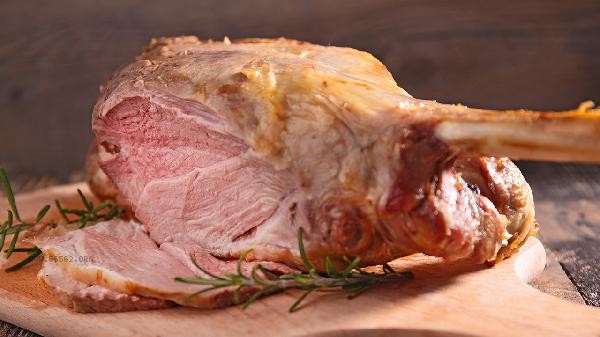
Daily consumption of lamb should pay attention to controlling the total amount and avoiding excessive intake at once, which may cause indigestion or internal heat. Special populations such as hypertension, liver disease patients, and those with yin deficiency and excessive fire should reduce their frequency of consumption. If allergic reactions such as rash and difficulty breathing occur after eating, stop eating immediately and seek medical attention. It is recommended to maintain a diversified diet, a balanced combination of vegetables and fruits, ensure sufficient water intake, and moderate exercise to promote metabolism. If there are chronic underlying diseases or physical discomfort, a personalized dietary plan should be developed under the guidance of a professional physician or nutritionist. Do not blindly trust folk remedies or overly worry about food competition and ignore overall nutritional balance.



Comments (0)
Leave a Comment
No comments yet
Be the first to share your thoughts!