
Whether one can pass the entrance examination with high blood pressure mainly depends on the specific requirements for blood pressure in the examination standards and the degree of blood pressure elevation. In most cases, if blood pressure is only slightly elevated and there are no other health issues, it can usually pass smoothly. But if blood pressure significantly increases or is accompanied by other abnormalities, further examination or follow-up may be necessary. In most companies' entry medical examination standards, the requirement for blood pressure is a systolic blood pressure of less than 140 mmHg and a diastolic blood pressure of less than 90 mmHg. If your blood pressure is only slightly higher than this standard, such as systolic blood pressure between 140-150 mmHg and diastolic blood pressure between 90-95 mmHg, and there are no other cardiovascular disease risk factors, many employers will consider it qualified. The increase in blood pressure in this situation may be related to pre examination tension, anxiety, lack of sleep, vigorous exercise, or consumption of coffee and strong tea, and belongs to transient elevation. It is recommended that you maintain a calm state of mind before the physical examination, avoid strenuous activities, ensure sufficient sleep, and sit quietly for 5-10 minutes before taking measurements during the examination. If blood pressure returns to normal after retesting, it usually does not affect employment. In rare cases, if blood pressure significantly increases, such as systolic blood pressure exceeding 160 mmHg or diastolic blood pressure exceeding 100 mmHg, or is accompanied by proteinuria, abnormal electrocardiogram, and other issues, the physical examination results may be marked as abnormal, and you need to further seek medical attention from the cardiovascular department to determine whether there is primary or secondary hypertension. Doctors may recommend that you undergo dynamic blood pressure monitoring, blood biochemistry tests, cardiac ultrasound, and other examinations to assess the true level of blood pressure and target organ damage. Only after excluding pathological causes or controlling blood pressure within a reasonable range through lifestyle interventions and medication treatment, can a qualified physical examination conclusion be obtained. Therefore, if high blood pressure is found during a physical examination, there is no need to worry excessively, but it cannot be ignored. Professional medical help should be actively sought to clarify the cause and take corresponding measures.
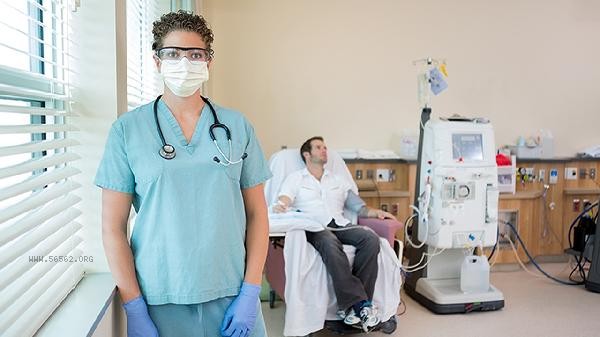
It is recommended that you start one week before the physical examination, pay attention to a low salt and low-fat diet, reduce sodium intake, control the daily salt intake below 5 grams, eat more fresh vegetables and fruits, and increase potassium intake. At the same time, maintain a regular daily routine, avoid staying up late and overexertion, quit smoking and limit alcohol consumption, and engage in aerobic exercises such as brisk walking and jogging appropriately. If high blood pressure is confirmed after a physical examination, standardized management should be carried out according to medical advice. If necessary, antihypertensive drugs such as nifedipine controlled-release tablets, irbesartan tablets, metoprolol sustained-release tablets, etc. should be used under the guidance of a doctor, and blood pressure should be monitored regularly to ensure long-term stability and compliance. This not only helps to pass the entrance examination, but also is the key to maintaining long-term cardiovascular health.








Comments (0)
Leave a Comment
No comments yet
Be the first to share your thoughts!