
The ointment for treating burn scars is usually effective and can help improve the appearance and texture of scars. The therapeutic ointment for burn scar mainly includes silicone gel, mucopolysaccharide polysulfonate cream, asiaticoside cream ointment, compound heparin sodium allantoin gel, recombinant human epidermal growth factor gel, etc. It is recommended to choose the appropriate ointment based on the type and severity of scars under the guidance of a doctor.
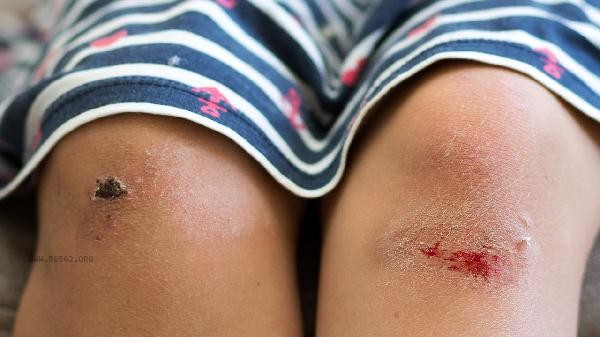
Silicone gel reduces water loss and inhibits fibroblast proliferation by forming a protective film, which is suitable for hypertrophic scars and keloids. Polysulfonic acid adhesive polysaccharide cream has anti-inflammatory and blood circulation promoting effects, can soften scar tissue, and is suitable for old scars. Snow glycoside cream ointment is extracted from the traditional Chinese medicine snow grass, which can inhibit excessive collagen synthesis and has a significant effect on hypertrophic scars. Compound heparin sodium allantoin gel reduces pigmentation and scar sclerosis through the moisturizing effect of allantoin and the anti fibrosis properties of heparin. Recombinant human epidermal growth factor gel can accelerate epidermal cell regeneration, which is more suitable for early scar repair after superficial burns.
When using ointment, keep the wound clean and dry, avoid exposure to sunlight and friction stimulation. Early intervention is necessary after burns, and medication should be maintained for 3-6 months to show results. Deep second degree burns or joint scars may require comprehensive treatment such as pressure therapy and laser therapy. Pay attention to sun protection in daily life, and consume more vitamin C and high-quality protein to help with scar repair. If there are allergic reactions such as itching, redness, and swelling, or if scars continue to grow, timely follow-up visits should be made to adjust the treatment plan.







Comments (0)
Leave a Comment
No comments yet
Be the first to share your thoughts!