
Nail correctors have a certain effect on mild to moderate nail deformities such as ingrown toenails and paronychia, but they need to be used regularly and in conjunction with basic care. The
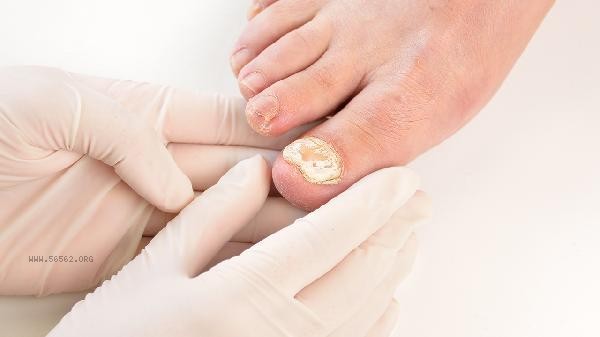
nail corrector gradually adjusts the direction of nail growth through the principle of physical traction, and is suitable for nail bending or embedding caused by non pathological factors such as external pressure and improper trimming. Common types include resin patch type, metal bracket type, etc., which need to be worn daily and pressure adjusted regularly. During use, it is necessary to keep the feet dry and clean, avoid vigorous exercise and friction, and usually take 3-6 months to observe significant improvement. The effect of correcting deformities during the development of nail beds in children and adolescents is better than that in adults, and methods such as soaking feet in warm water and correctly trimming nails can improve the effect.
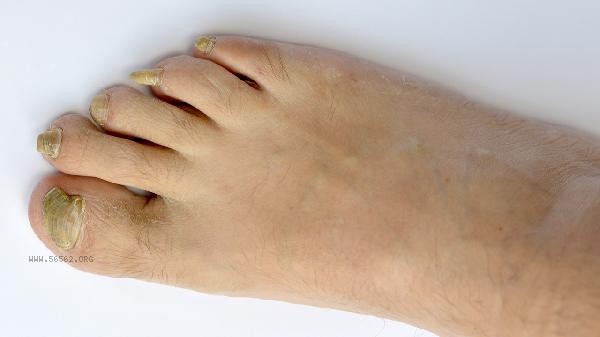
The use of orthodontic appliances alone has limited effectiveness in treating pathological nail deformities such as fungal infections and hereditary thick nail disease. It may aggravate tissue damage in patients with diabetes foot and peripheral circulation disorder. Allergies to the material of orthodontic appliances or improper operation may cause secondary infections. If redness, swelling, and exudation occur, immediate use should be stopped. Some severe nail deformities require a combination of nail removal surgery or nail bed shaping surgery to be cured, and orthodontic appliances are only used as postoperative auxiliary recovery methods.
It is recommended to select appropriate types of orthotics under the guidance of dermatologists, and basic diseases such as diabetes should be excluded before use. During the correction period, check the growth of nails monthly and use antifungal or antibiotic ointments to prevent infection. Wear loose and breathable shoes in daily life to avoid prolonged standing or pressure from high heels. If there is no improvement after 3 months of use or if there is deck stratification, perithyroid suppuration, etc., seek medical attention promptly to adjust the treatment plan.






Comments (0)
Leave a Comment
No comments yet
Be the first to share your thoughts!