
The significance of head and neck CTA examination is usually significant, as it can help doctors quickly and non invasively assess the health status of blood vessels in the head and neck. Head and neck CTA, also known as head and neck computed tomography angiography, is mainly used to check for the presence of vascular stenosis, aneurysms, vascular malformations, or vascular occlusion. It has important value for early diagnosis and treatment planning of diseases such as stroke and subarachnoid hemorrhage.
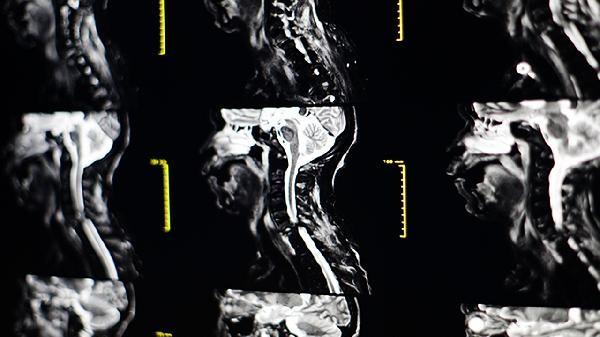
CTA examination of head and neck is of great significance in most cases, especially applicable to people with cardiovascular and cerebrovascular disease risk factors such as hypertension, diabetes, hyperlipidemia, or when there are symptoms such as dizziness, headache, transient blackness, limb numbness and weakness of unknown causes. Through this examination, doctors can clearly observe the shape and blood flow of the common carotid artery, internal carotid artery, vertebral artery and main intracranial arteries, and judge whether there are atherosclerotic plaques, the extent of lumen stenosis, and whether there is thrombosis. For example, when the degree of carotid artery stenosis exceeds 50%, the risk of ischemic stroke in patients will significantly increase. CTA examination can accurately assess the location and extent of stenosis, providing key evidence for whether stent implantation or endarterectomy surgery is needed in the future. In addition, for patients suspected of having intracranial aneurysms, CTA can detect smaller diameter aneurysms, helping doctors intervene before the aneurysm ruptures and avoiding fatal subarachnoid hemorrhage. In emergency situations, CTA can quickly distinguish between ischemic stroke and hemorrhagic stroke in patients with acute stroke, and clarify the location of large vessel occlusion, which can save valuable time for thrombolysis or thrombectomy treatment. It should be noted that although CTA examination has a lower radiation dose, pregnant women and those who are allergic to iodinated contrast agents need to inform their doctors in advance and have them evaluate whether this examination is suitable.
In daily life, it is recommended that you maintain a healthy lifestyle, such as quitting smoking and limiting alcohol consumption, eating a low salt and low-fat diet, exercising regularly and controlling weight, and regularly monitoring blood pressure, blood sugar, and blood lipid levels. If the doctor recommends a head and neck CTA examination, please cooperate actively and drink moderate amounts of water after the examination to help eliminate the contrast agent. If vascular disease has been diagnosed, medication should be taken according to medical advice, and medication should not be stopped or the dosage adjusted on one's own. Regular check ups of vascular conditions should also be conducted.








Comments (0)
Leave a Comment
No comments yet
Be the first to share your thoughts!