
Painless gastroscopy examination is usually not uncomfortable, and the vast majority of subjects are in a sleep state during the examination process, without feeling pain or discomfort. Painless gastroscopy is a procedure that involves intravenous injection of short acting anesthetics to induce sedation or anesthesia in the subject, thereby eliminating discomfort during the examination process. The discomfort of painless gastroscopy mainly comes from the preparation before the examination and the recovery period after the examination. Before the examination, the subject needs to fast for 6-8 hours and may experience mild nausea or throat numbness due to oral defoamers and local anesthetics. During the examination, due to the effect of anesthesia drugs, the subject will enter a shallow sleep state, with relaxed muscles throughout the body, and will not experience common discomforts such as nausea, vomiting, abdominal pain, or foreign body sensation in the throat. The anesthesiologist will monitor vital signs throughout the entire process to ensure safety. After the examination, the subject usually gradually wakes up within a few minutes to half an hour. Some people may feel mild dizziness, drowsiness, or slight discomfort in the throat, which usually subsides on their own within 1-2 hours. A small number of people may experience brief hypotension or heart rate fluctuations due to anesthesia drug reactions, but anesthesiologists will handle them promptly. Overall, the experience of painless gastroscopy is much better than that of ordinary gastroscopy, especially suitable for patients who are sensitive to pain, anxious, or require fine observation.
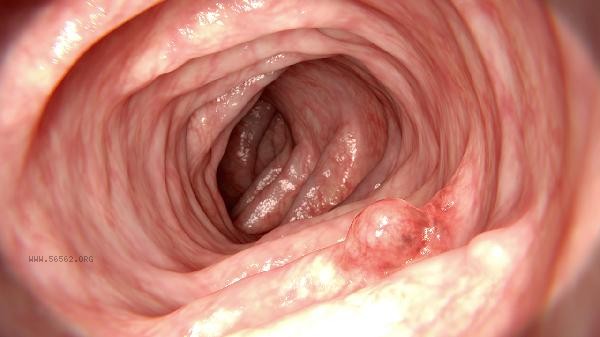
It is not recommended to drive vehicles, operate precision instruments, or perform high-altitude operations within 24 hours after the inspection to avoid residual anesthetic drugs affecting judgment. In terms of diet, drink a small amount of water within 2 hours after the examination. If there is no choking or dysphagia, gradually transition to warm and cool liquid food or soft food, such as rice porridge, rotten noodles, etc., to avoid spicy, hot or rough food irritating the gastric mucosa. If there are persistent abdominal pain, vomiting blood, or black stools, seek medical attention promptly. Maintaining a regular daily routine and reducing the stimulation of smoking and alcohol can help promote stomach health.








Comments (0)
Leave a Comment
No comments yet
Be the first to share your thoughts!