
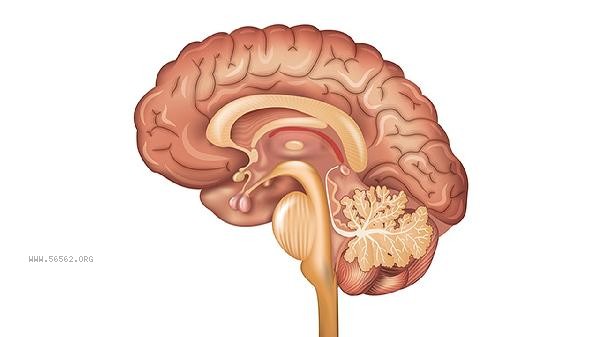
Not being fond of using one's brain does not necessarily equate to low intelligence, but is more related to personal habits, motivations, or environmental factors. Intelligence reflects cognitive potential, while cognitive inertia may be caused by factors such as lack of interest, brain fatigue, fixed thinking patterns, low challenge environments, and psychological defense mechanisms. Long term avoidance of thinking may lead to a decrease in synaptic connections in the brain, reducing information processing efficiency, but deliberate practice can reshape neural plasticity. Some people, due to past setbacks, develop a mindset of avoidance and actually have the potential to solve problems. Highly intelligent individuals may also appear to be less inclined to use their brains due to choosing efficient energy-saving strategies, which is not necessarily related to their intelligence level.

Certain pathological conditions such as depression and hypothyroidism can lead to delayed thinking and require medical intervention. But in most cases, cognitive inertia can be improved by cultivating growth mindset, setting appropriate challenges, and conducting cognitive training. Continuous exposure to new knowledge can stimulate the activity of the prefrontal cortex and gradually establish neural circuits that actively use the brain.

It is recommended to start cultivating brain habits from small thinking tasks, such as playing chess, learning new skills, or reviewing daily. Maintaining sufficient sleep and intake of Omega-3 fatty acids can help improve brain activity. If accompanied by significant memory loss or decreased judgment, it is necessary to investigate whether there is an organic disease. The normal population can observe an improvement in thinking agility within three months through continuous cognitive stimulation.







Comments (0)
Leave a Comment
No comments yet
Be the first to share your thoughts!