
Eating fruits after exercise is generally good as it helps to replenish water, energy, and electrolytes. The main benefits include restoring physical strength, supplementing vitamins, regulating acid-base balance, promoting metabolism, and relieving fatigue.

1. Restoring physical strength
During exercise, the body consumes a large amount of glycogen reserves, leading to a decrease in energy levels. Fruits are rich in glucose and fructose, which can be quickly absorbed and utilized by the human body, rapidly increasing blood sugar levels, providing much-needed energy sources for muscles, helping athletes recover quickly from fatigue, and reducing post exercise fatigue.
2. Supplementing vitamins
Intense exercise can lead to an increased oxidative stress response in the body, producing a large amount of free radicals. Many fruits such as kiwi and orange are rich in vitamin C and vitamin E. These antioxidant vitamins can effectively eliminate free radicals in the body, protect cell membranes from oxidative damage, enhance immune system function, and prevent temporary immune decline caused by excessive exercise. During high-intensity anaerobic exercise, muscles produce acidic metabolites such as lactate, which accumulate in the body and cause muscle soreness and fatigue. Most fruits belong to alkaline foods, and after ingestion, they can be metabolized in the body to produce alkaline substances, which help neutralize acidic components in the blood and tissues, maintain acid-base balance in the body, thereby reducing muscle soreness symptoms and accelerating body function recovery.
4. Promote Metabolism
After exercise, the body is in a high metabolic state and requires sufficient water and minerals to maintain normal physiological functions. Fruits not only have high water content and can directly replenish the water lost with sweat, but also are rich in electrolytes such as potassium and magnesium. Potassium ions are crucial for maintaining normal excitability of nerves and muscles, and can effectively prevent muscle spasms or cramps that may occur after exercise.
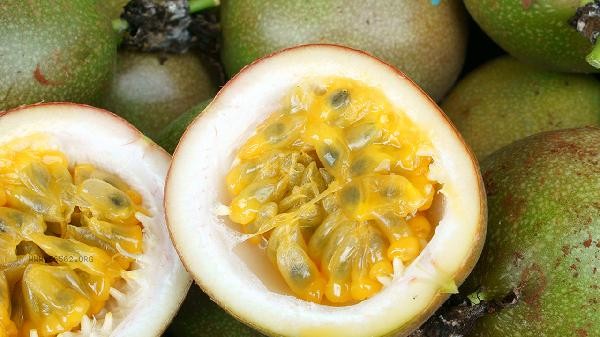
5. Relieve Fatigue
Exercise induced fatigue is not only caused by energy depletion, but also related to changes in neurotransmitters. The natural sugars in fruits, combined with specific phytochemicals such as flavonoids and polyphenols, can improve blood supply to the brain, regulate nervous system function, help alleviate mental stress and physical fatigue, enable athletes to recover energy in a short period of time, and enhance overall comfort.
It is recommended to rest for half an hour after exercise and wait for the heart rate to stabilize before consuming fruits to avoid immediate gastrointestinal discomfort. It is advisable to choose easily digestible fruits such as bananas and apples, and avoid consuming fruits that are too cold or too sour to stimulate the gastrointestinal tract. A balanced diet should be maintained in daily life, combined with moderate water intake and sufficient sleep. A scientific exercise plan should be arranged. If there are persistent symptoms such as dizziness, nausea, or severe muscle pain after exercise, timely medical examination should be sought to eliminate potential health hazards and ensure safe and effective exercise.









Comments (0)
Leave a Comment
No comments yet
Be the first to share your thoughts!