
Drinking milk on an empty stomach is good for most people as it can quickly replenish nutrients. However, lactose intolerant individuals may experience discomfort due to factors such as lactase deficiency, gastrointestinal sensitivity, drinking speed, milk temperature, and individual differences.
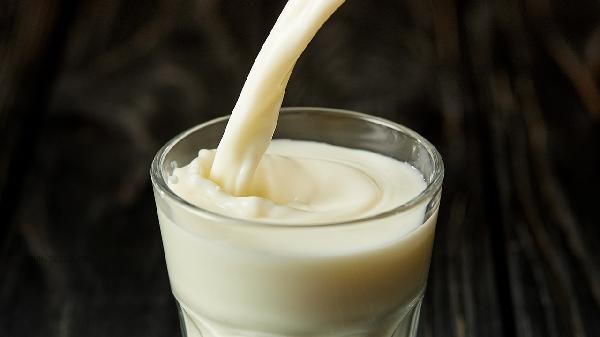
1. Lack of lactase
Some people have low lactase activity or insufficient secretion in their bodies. When they drink a large amount of milk on an empty stomach, the undigested lactose directly enters the large intestine and is fermented by bacteria to produce gas and acidic substances, which may cause symptoms such as bloating, abdominal pain, and diarrhea. Such people are not completely unable to drink milk. They can try a small amount of milk for many times, or choose low lactose milk and comfort milk with special treatment. They can also use bread, Mantou and other solid foods before drinking to slow down the rate of lactose entering the intestinal tract, reduce the burden on the digestive tract and avoid uncomfortable reactions.
2. Gastrointestinal Sensitivity
People with weak gastrointestinal function or in a sensitive state may experience high acidity in the stomach on an empty stomach. Cold milk can directly stimulate the gastric mucosa, which may cause stomach spasms, dull pain, or nausea and vomiting. Especially after waking up in the morning, when the gastrointestinal tract has just awakened from a resting state, sudden intake of low-temperature fluids can easily lead to abnormal vasoconstriction and peristalsis. It is recommended that this group of people heat the milk to a warm state before drinking, avoiding direct contact between chilled milk and the stomach wall. At the same time, they can take a few bites of mild staple food as a base to reduce direct irritation to the gastrointestinal tract and protect the integrity of the gastric mucosa.
3. Drinking speed
Swallowing milk quickly and in large gulps can cause a large amount of liquid to rush into the stomach in a short period of time, increase gastric volume pressure, and affect normal digestive rhythm, especially when fasting, it is more likely to induce reflux, hiccups, or bloating. Drinking slowly and in small sips can allow milk to mix thoroughly with saliva, gradually entering the stomach and promoting the even action of stomach acid and digestive enzymes, thereby improving protein absorption efficiency. Developing the habit of chewing slowly is not only suitable for solid foods, but also for liquid dairy products, which helps maintain the smooth operation of the digestive system and reduce functional disorders caused by improper eating habits.
4. Milk temperature
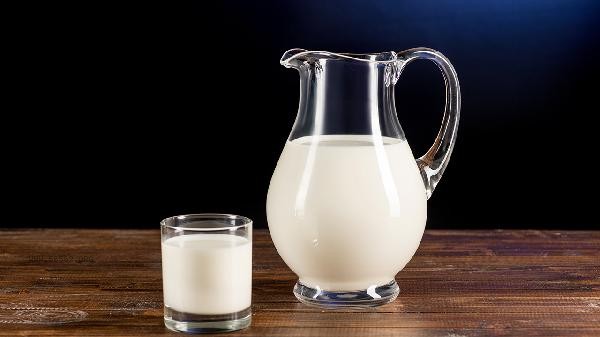
Too cold milk can stimulate smooth muscle contraction in the gastrointestinal tract, interfere with normal peristaltic rhythm, and may lead to indigestion or abdominal discomfort; Overheated milk may damage some of its thermosensitive nutrients, such as the B vitamins and some immune active substances. The suitable temperature for drinking milk should be close to body temperature, about 37 degrees Celsius, which can preserve nutritional integrity without causing cold or hot stimulation to the body. In winter, milk can be heated separately from water. In summer, if it needs to be refrigerated, it should be left to warm up for a while before drinking to ensure a balance between taste and safety.
5. Individual Differences
Everyone has different constitutions, and there are significant differences in their tolerance to drinking milk on an empty stomach. Some people drink milk on an empty stomach all year round without any discomfort, indicating that their digestive system is well adapted; However, some people may experience symptoms even when drinking in small amounts, indicating the need to adjust their drinking habits or alternative plans. The key is to observe one's own reactions, record changes in the body after drinking, and find the most suitable intake pattern for oneself. If there is persistent discomfort, it is necessary to consult a professional physician in a timely manner, eliminate potential disease factors, develop a personalized diet plan, and ensure balanced development of nutritional intake and physical health.

Daily consumption of milk should follow the principle of moderation. The recommended daily intake for adults is around 300 milliliters, which can be adjusted according to individual needs. Avoid intense exercise immediately before and after drinking to avoid increasing the burden on the gastrointestinal tract. Maintaining a regular daily routine, balanced combination of vegetables, fruits, whole grains, and high-quality protein sources can help comprehensively improve nutrient absorption efficiency. If there are repeated diarrhea, rash or other abnormal reactions, self treatment should be stopped and medical institutions should be sought as soon as possible. Under the guidance of a doctor, the cause should be identified and corresponding intervention measures should be taken. Do not blindly rely on folk remedies or take medication without authorization to ensure health and safety.








Comments (0)
Leave a Comment
No comments yet
Be the first to share your thoughts!