
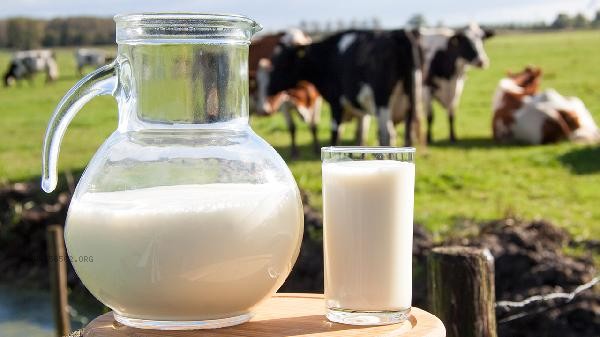
Drinking milk after meals is usually good as it helps to supplement high-quality protein and calcium, but some people may experience gastrointestinal discomfort.
1. Nutrient absorption
Milk is rich in high-quality protein, calcium, and various vitamins. Drinking it after meals can use food mixing to delay gastric emptying, prolong the retention time of nutrients in the intestines, and help the body absorb these nutrients more fully. It is particularly suitable for people who need to supplement calcium.
2. Relieve Stimulus
When drinking milk on an empty stomach, lactose or protein may quickly enter the intestines and cause discomfort. After meals, other foods in the stomach can dilute the concentration of milk, slow down its direct stimulation on the gastrointestinal mucosa, and reduce the probability of digestive symptoms such as bloating and abdominal pain.
3. Lactose intolerance
Some people lack lactase in their bodies, which prevents them from completely breaking down lactose in milk. Although drinking after meals can alleviate symptoms, excessive intake may still lead to bowel sounds, diarrhea, or increased exhaust. For this group of people, it is recommended to choose Shu Hua milk or yogurt instead of regular milk.

4. Calorie accumulation
Milk contains a certain amount of fat and sugar. If consumed in large quantities after a full meal, it can lead to excessive total calorie intake, which may cause weight gain or obesity in the long run. Especially for whole milk, those who control their weight should pay attention to the total amount of consumption.
5. Drug Effects
If you are taking certain specific drugs, such as tetracycline antibiotics or iron containing preparations, the calcium ions in milk may combine with the drug components to form insoluble substances, thereby affecting the absorption of the drug effect. In such cases, it is recommended to consult a doctor to determine the drinking time.

In daily diet, attention should be paid to balanced food combinations, avoiding overeating. Drinking milk after meals should be done in moderation according to personal constitution. If there are chronic gastrointestinal diseases or metabolic abnormalities, medical attention should be sought in a timely manner and dietary structure should be adjusted according to medical advice. At the same time, moderate exercise should be maintained to promote metabolism and maintain physical health.








Comments (0)
Leave a Comment
No comments yet
Be the first to share your thoughts!