
Mutism is not completely incurable, but the difficulty of treatment is closely related to individual differences, types of causes, and timing of intervention. Selective mutism can mostly be improved through psychological intervention and family cooperation, while organic mutism requires targeted treatment for the primary disease.

Mutism is divided into two categories: functional mutism and organic mutism. Functional mutism, with selective mutism being the most common, is more common in children and manifests as refusal to speak in specific situations, but with normal intelligence and language abilities. Early systemic treatments such as cognitive-behavioral therapy, play therapy, and family environment adjustment significantly alleviate symptoms in about half of the affected children before puberty. Some patients may continue to experience social anxiety and require psychological support in adulthood, but they can gradually adapt through exposure therapy and social skills training. Organic mutism is often caused by brain injury, neurodegenerative diseases, or schizophrenia. Treatment should prioritize treating the primary disease, such as using dopamine drugs to improve Parkinson's disease-related mutism or activating the language center through transcranial magnetic stimulation. The degree of recovery for these patients depends on the extent of nerve damage, and some may have residual language fluency disorders.
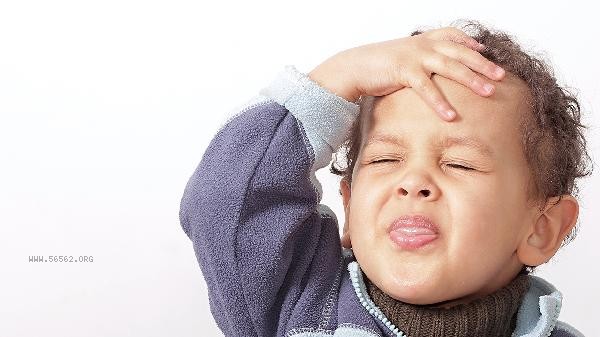
A small number of refractory cases are related to complex etiologies. If post-traumatic mutism is combined with PTSD, long-term trauma focused treatment is required; The silent symptoms associated with autism spectrum disorder may require integrated behavioral intervention and sensory integration training. A very small number of patients require the use of alternative communication systems due to irreversible damage to the language center of the brain. The situation of high treatment resistance is common in individuals with delayed intervention, comorbidities of multiple mental disorders, or insufficient family support. Patients with mutism need to establish stable communication alternatives, such as gestures or writing tablets. Family members should avoid pressure and build trust through nonverbal interactions. Regular participation in group art therapy or animal assisted therapy can help alleviate social anxiety. Adding foods rich in omega-3 fatty acids and B vitamins to the diet may indirectly support neural function repair. It is recommended to evaluate treatment progress every three months and adjust intervention plans in a timely manner.





Comments (0)
Leave a Comment
No comments yet
Be the first to share your thoughts!