
The difficulty of removing the filling material during redone root canal treatment is usually related to the original filling material, root canal morphology, and degree of inflammation. In most cases, professional operations can be completed smoothly, but in a few cases, severe calcification or complex root canal structures may increase the difficulty of the operation.
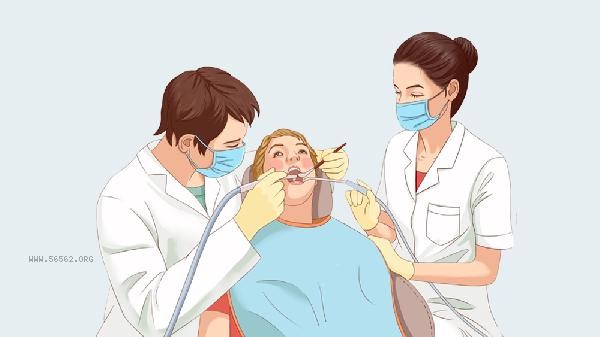
Dental gum tips and root canal sealants are commonly used as filling materials in clinical practice. These materials can be gradually removed through heating, mechanical or chemical dissolution in conventional root canal treatment. The application of modern root canal microscopes and ultrasound instruments can accurately locate fillings and reduce damage to dental tissues. For cases where the root canal is unobstructed and there is no severe curvature, doctors usually complete the cleaning of old fillings within 1-2 visits. During the process, nickel titanium instruments combined with flushing solution can effectively remove residues. When there is root canal calcification, instrument separation, or overfilling in the affected tooth, it may be necessary to cooperate with CBCT three-dimensional positioning for minimally invasive extraction. Severe bending of the root canal may result in residual fracture of the gum tip, and special solvents need to be used to soften the filling material. Some cases may experience bone hyperplasia in the apical region due to secondary infection, which requires controlling inflammation first and then treating it in stages. Such situations may prolong the treatment period to 3-4 visits.
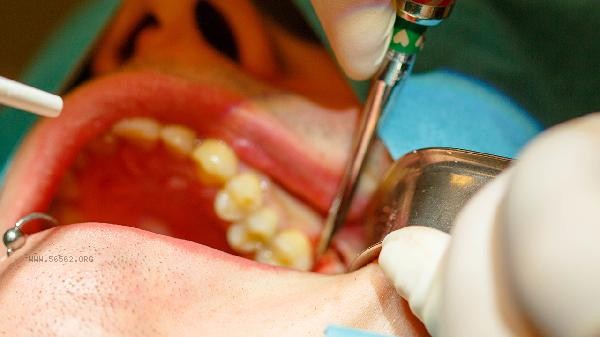
It is recommended to choose a doctor with experience in micro root canal treatment for the operation and complete imaging evaluation before surgery. During treatment, avoid chewing hard objects with the affected teeth. Mild swelling and pain can be relieved by cold compress. If the pain persists for more than 24 hours, timely follow-up is required. Daily use of fluoride toothpaste to maintain oral hygiene and regular periodontal examinations can help prolong treatment effectiveness.







Comments (0)
Leave a Comment
No comments yet
Be the first to share your thoughts!