
Positive surface antibody in two and a half pairs of hepatitis B tests is usually a good thing, indicating that the body has developed immunity to hepatitis B virus. The positive results of two pairs of semi surface antibodies against hepatitis B may be caused by the recovery after natural infection and the successful immunization of hepatitis B vaccine. Generally, no special treatment is required, but comprehensive judgment should be made in combination with other indicators.
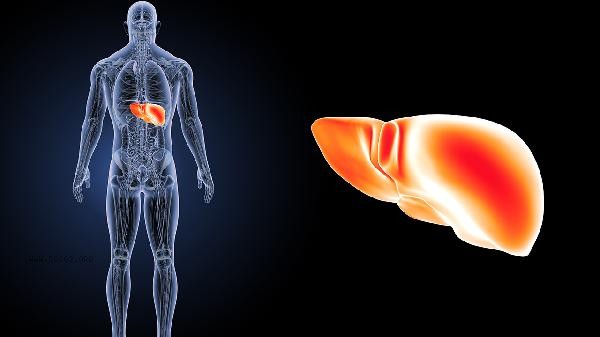
1. Rehabilitation after natural infection
After previous infection with hepatitis B virus, the immune system clears the virus and produces protective antibodies. At this point, a positive surface antibody is accompanied by a positive core antibody, indicating that the previous infection has been cured. Patients may experience acute symptoms such as fatigue and decreased appetite, but they are not contagious after recovery. If liver function is abnormal, follow the doctor's advice to use liver protective drugs such as compound glycyrrhizin tablets and silibinin capsules.
2. Successful vaccination
The protective antibody produced after standardized vaccination of hepatitis B vaccine is a sign of successful active immunization. After vaccination, there may be reactions such as redness, swelling, and low-grade fever at the injection site, which usually resolve on their own within 2-3 days. The surface antibody titer will decrease over time, and it is recommended to have regular check ups. If the titer is below 10mIU/ml, vaccination can be strengthened.
3. Maternal and infant antibody transmission
If the mother is positive for hepatitis B surface antibody, the antibody can be transmitted to the newborn through the placenta. This passive immunization can last for 6-12 months, during which hepatitis B vaccination must still be carried out as planned. The infant shall be injected with hepatitis B immunoglobulin and vaccine within 12 hours of birth, and the antibody level shall be rechecked after the whole vaccination.
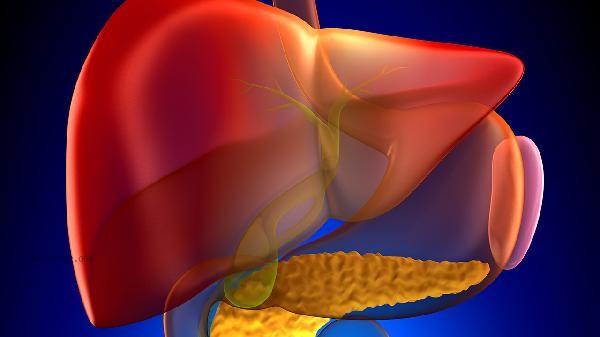
4. Transfusion of blood products
into immunoglobulin or plasma containing hepatitis B surface antibody may cause transient positive. This situation has a short duration of antibodies and needs to be distinguished from true immunity. After blood transfusion, allergic reactions such as rash and fever may occur. If necessary, follow the doctor's advice to use loratadine tablets for symptomatic treatment.
5. False positive reactions
Cross reactivity or operational errors of detection reagents may lead to false positives, especially when coexisting with other hepatitis virus antibodies. It is recommended to repeat the detection and confirmation, and carry out hepatitis B DNA quantitative examination when necessary. If combined with hepatitis C infection, antiviral drugs such as sofosbuvir, vipatasvir tablets can be used. Maintaining a regular schedule and balanced diet can help maintain immune function, while moderate intake of high-quality protein such as fish and soy products can promote antibody production. Avoid alcohol abuse and drug abuse to reduce the burden on the liver. It is recommended to recheck two half indicators of hepatitis B every 3-5 years. After contacting the blood or body fluid of hepatitis B patients, even if the antibody is positive, it is necessary to clean and disinfect in time and assess the exposure risk.









Comments (0)
Leave a Comment
No comments yet
Be the first to share your thoughts!