
Checking the esophagus does not necessarily require gastroscopy, but gastroscopy is currently the most commonly used and accurate method for detecting esophageal diseases. In addition to gastroscopy, in clinical practice, upper gastrointestinal barium meal imaging, esophageal pressure measurement, CT scan and other methods can be selected for examination according to specific circumstances.
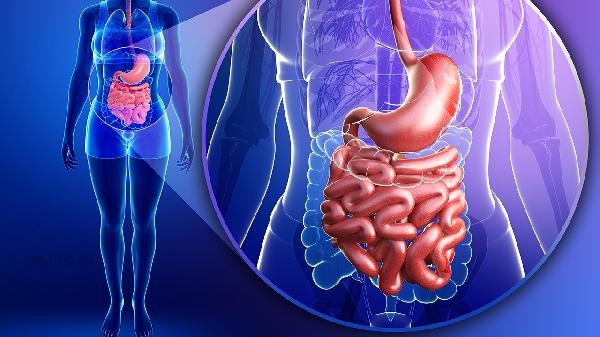
Gastroscopy is a procedure in which a flexible tube with a camera is inserted through the mouth into the esophagus and stomach. Doctors can directly observe the color and shape of the esophageal mucosa, and detect subtle lesions such as inflammation, ulcers, erosions, polyps, and even early cancer. For suspicious lesions, gastroscopy can also take a small piece of tissue for pathological examination, which is the gold standard for diagnosing esophageal diseases. The advantages of gastroscopy are intuitiveness, accuracy, and the ability to perform treatments simultaneously, such as removing polyps or stopping bleeding. For people with symptoms such as difficulty swallowing, pain behind the sternum, acid reflux and heartburn, and unexplained weight loss, gastroscopy is usually the preferred examination. Upper gastrointestinal barium meal imaging involves patients swallowing barium sulfate and observing the dynamic process of barium passing through the esophagus under X-rays. It can detect esophageal stenosis, abnormal peristalsis, larger tumors, or diverticula, but it cannot clearly display small lesions in the mucosa and cannot take a biopsy. Esophageal manometry is mainly used to evaluate esophageal motility function, such as diagnosing achalasia or esophageal spasm. It measures pressure changes in various segments of the esophagus through a thin tube, but cannot directly see mucosal lesions. CT scan can clearly display the thickness of the esophageal wall, surrounding lymph nodes, and whether the tumor has invaded adjacent organs. It is commonly used to evaluate the staging and metastasis of esophageal cancer, but is not sensitive to early mucosal lesions. Doctors will make a comprehensive judgment and choose the most suitable examination method based on the patient's symptoms, age, risk factors, and preliminary examination results. For example, young patients with only mild acid reflux may try barium meal imaging first; For patients who are older, have a history of smoking and drinking, and have difficulty swallowing, it is strongly recommended to undergo gastroscopy directly. Regardless of which examination method is chosen, one should provide a detailed explanation of their symptoms and medical history to the doctor before the examination, including whether they have a history of drug allergies, whether they have taken anticoagulant drugs, etc. After the examination, pay attention to observing the body's reaction. If there is persistent severe chest pain, vomiting blood, or black stool, seek medical attention promptly. Avoiding excessively hot, hard or stimulating foods in daily diet, quitting smoking and limiting alcohol consumption can help protect esophageal health.








Comments (0)
Leave a Comment
No comments yet
Be the first to share your thoughts!