
Facial asymmetry may be related to teeth. The main reasons for facial asymmetry include abnormal occlusion of teeth, abnormal development of jawbone, temporomandibular joint disorder, facial muscle imbalance, trauma or surgery, etc.

1. Abnormal occlusion of teeth
Long term misalignment or misalignment of teeth may lead to mandibular displacement, which in turn affects facial symmetry. For example, unilateral retrognathia or deep overbite may cause the lower jaw to tilt to one side, resulting in facial asymmetry. This situation can be treated with orthodontic treatment to adjust the bite relationship and improve facial symmetry. Common orthodontic appliances include metal bracket orthodontic appliances, ceramic bracket orthodontic appliances, invisible orthodontic appliances, etc.
2. Abnormal jawbone development
Congenital or acquired asymmetry in jawbone development can directly affect facial contours. Unilateral chewing habits during adolescence may lead to asymmetric mandibular development, which may manifest as significant facial asymmetry in adulthood. Abnormal jaw development usually requires orthognathic surgery combined with orthodontic treatment, including mandibular sagittal split surgery, maxillary LeFort osteotomy, etc.
3. Temporomandibular joint disorder
Structural abnormalities or functional disorders of the temporomandibular joint may cause changes in the trajectory of mandibular movement, leading to facial asymmetry. Patients often experience symptoms such as joint clicking, pain, and limited mouth opening. Joint cavity irrigation and occlusal splint treatment can be used for treatment, and in severe cases, arthroscopic surgery or open joint surgery is required.

4. Facial muscle imbalance
Long term unilateral chewing or facial nerve damage may lead to imbalanced development of the chewing muscle group, manifested as facial contour asymmetry. This situation can be corrected through muscle training, botulinum toxin injection, or surgery. Daily attention should be paid to balanced chewing on both sides, avoiding long-term habits of one-sided chewing.
5. Trauma or surgery
Facial trauma may lead to misaligned healing of jawbone fractures, and tooth loss or alveolar bone resorption may also affect facial support structures. Improper reconstruction after oral tumor resection can also cause facial asymmetry. This type of situation usually requires plastic surgery repair, and if necessary, combined with dental implants to restore occlusal function.
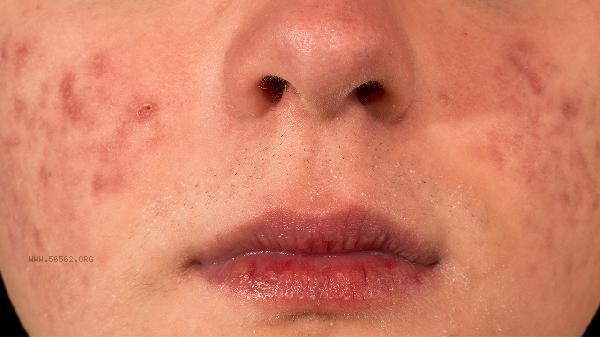
It is recommended that individuals with facial asymmetry undergo oral examination first to rule out dental and jawbone factors. Mild asymmetry can be improved through orthodontics or functional training, while obvious deformities require orthognathic surgery for correction. In daily life, it is important to maintain a balanced chewing habit on both sides and avoid long-term lateral sleeping positions. Regular oral examinations can detect bite problems early on. If accompanied by temporomandibular joint pain or difficulty opening the mouth, timely medical attention should be sought from oral and maxillofacial surgery.







Comments (0)
Leave a Comment
No comments yet
Be the first to share your thoughts!