
Immature persimmons are usually not recommended for direct consumption as they may cause gastrointestinal discomfort, but generally do not lead to poisoning. Immature persimmons contain a high amount of tannic acid and tannins, which may irritate the oral and digestive mucosa. Immature persimmons have a high content of tannic acid, which can cause astringency when combined with salivary proteins. Excessive intake may cause numbness in the tongue, slight damage to the oral mucosa, and digestive symptoms such as bloating and abdominal pain in individuals with weak gastrointestinal function. Tannic acid can bind with proteins in food to form sediment, affecting nutrient absorption. Long term consumption on an empty stomach may increase the probability of gastric stone formation. The traditional processing method is to soak immature persimmons in warm water at around 40 ℃ for 24 hours, or to seal them with ethylene releasing fruits such as apples and bananas to promote ripening. In rare cases, individuals with sensitive constitutions may develop allergic reactions to specific components in immature persimmons, manifested as skin itching, lip swelling, etc. Children and patients with gastrointestinal diseases should pay special attention to avoiding consuming immature persimmons, as their digestive mucosa is more susceptible to irritation. If there are persistent symptoms such as abdominal pain and vomiting after ingestion, it is necessary to seek medical attention promptly to investigate whether there is a risk of gastric stones or intestinal obstruction.
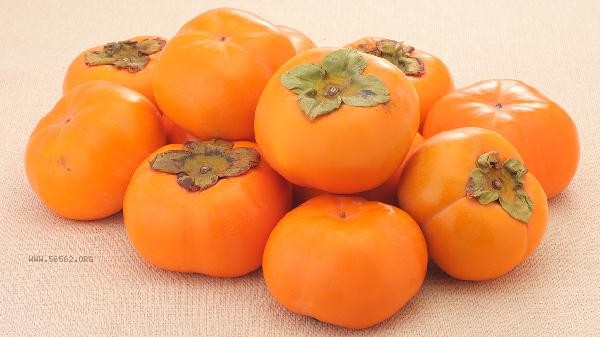
When purchasing persimmons in daily life, you can lightly pinch the fruit to judge its maturity. Fully ripe persimmons have a soft texture and an orange red color. It is recommended to place immature persimmons in a well ventilated and cool place to naturally ripen, and wait for the flesh to soften before consumption. Peeling during consumption can reduce tannic acid intake and avoid consuming high protein foods together. People with poor gastrointestinal function can choose sweet persimmon varieties or processed persimmon cakes, whose tannic acid content is significantly reduced. Maintain dietary diversity and avoid consuming more than two persimmons per day. Special populations should consult a nutritionist to develop personalized dietary plans.








Comments (0)
Leave a Comment
No comments yet
Be the first to share your thoughts!