
Not wanting to go to school does not necessarily mean depression, but it may be one of the manifestations of depression. The main reasons why children resist going to school include excessive academic pressure, interpersonal problems on campus, family environment conflicts, adaptation disorders, depression and other psychological issues. It is necessary to make a comprehensive judgment based on other symptoms, and it is recommended that parents take their children to a psychological or psychiatric department for evaluation in a timely manner.
1. Excessive academic pressure
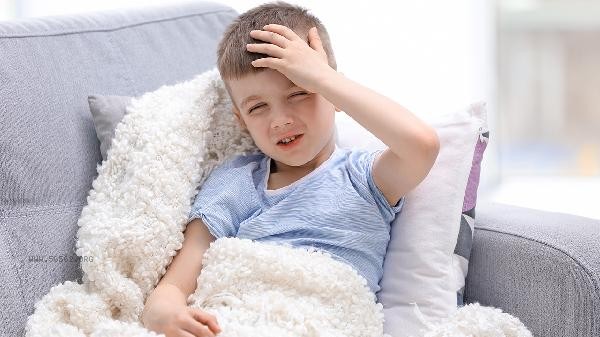
Factors such as heavy academic workload, unsatisfactory exam results, and high expectations from parents may lead to children developing a disinterest in learning. In this situation, children usually exhibit anxiety towards specific subjects or exams, but their interest in daily recreational activities can still be maintained. Parents should appropriately lower their academic requirements, help their children develop reasonable study plans, and avoid excessive pressure.
2. Campus interpersonal relationships
Encountering situations such as campus bullying, tense teacher-student relationships, and peer exclusion can make children resist going to school. These children often exhibit behavioral changes that lead to avoidance of specific places or groups of people. Parents need to maintain communication with the school and seek the intervention of a psychological counselor if necessary to help their children establish social skills.
3. Family Environmental Conflict
Family problems such as parental divorce, domestic violence, and improper parenting can easily lead to emotional and behavioral abnormalities in children. In such cases, children may exhibit symptoms such as sleep disturbances and irritability simultaneously. Improving family interaction patterns and establishing a stable emotional support system are key.

4. Adaptation disorders
Major life changes such as transferring schools, advancing to higher education, or entering adolescence may lead to short-term adaptation difficulties. Symptoms usually gradually alleviate after adapting to a new environment. Parents should provide full understanding and support to help their children gradually adapt to the new environment.
5. Depression
If a child experiences low mood, decreased interest, changes in sleep and appetite, and low self-evaluation for more than two weeks, they should be alert to the possibility of depression. Depression may be related to genetic factors, neurotransmitter imbalances, long-term psychological trauma, and other factors. It is recommended to seek medical evaluation as soon as possible. Doctors may prescribe antidepressants such as fluoxetine hydrochloride, sertraline, and venlafaxine based on the situation. When parents notice their child's persistent refusal to learn, they should first remain calm and observe, recording the specific manifestations and duration of the child's behavior changes. In addition to focusing on academic issues, it is also important to pay attention to children's emotional state and social situations. Establish open and equal communication channels to avoid simple and harsh criticism and accusations. We can start with basic interventions such as adjusting our daily routine, ensuring sufficient sleep, and increasing outdoor activities. If symptoms persist or worsen, it is essential to seek professional psychological assessment in a timely manner. Early intervention is crucial for the development of children's mental health. Creating a relaxed and warm family atmosphere in daily life, arranging study and leisure time reasonably, and cultivating children's various interests and hobbies can help prevent the occurrence of psychological problems.







Comments (0)
Leave a Comment
No comments yet
Be the first to share your thoughts!