
Eating breakfast and drinking water before a physical examination is usually not recommended, as it may affect the accuracy of some examination results. It is necessary to determine whether to eat or drink based on specific examination items. Most routine physical examinations require fasting for 8 to 12 hours, mainly to ensure the accuracy of blood glucose, blood lipids, liver function, kidney function, and abdominal ultrasound results. After eating, the levels of glucose, triglycerides, and other components in the blood will increase, which can interfere with the determination of normal values; Although drinking water has a relatively small impact on most blood tests, drinking a large amount of water can dilute the blood and may also affect the results. In addition, during abdominal ultrasound examination of the gallbladder and pancreas, the gallbladder will contract and empty after eating, and the pancreas will also secrete digestive juices, making it difficult to observe organ morphology clearly. If only performing items such as electrocardiogram, chest X-ray, blood pressure, height and weight that do not depend on fasting status, drinking a small amount of water is generally not a big problem, but eating breakfast may still affect blood sugar and lipid testing. In rare cases, such as only performing specific tests such as blood routine and thyroid function, doctors may allow a small amount of water to be consumed, but breakfast is still not recommended. Therefore, in order to obtain the most accurate physical examination results, it is recommended to strictly follow the doctor's advice to maintain an empty stomach before the examination. If breakfast or water has already been eaten, the examining doctor should be informed in a timely manner, and the doctor should determine whether to reschedule or adjust the examination items.
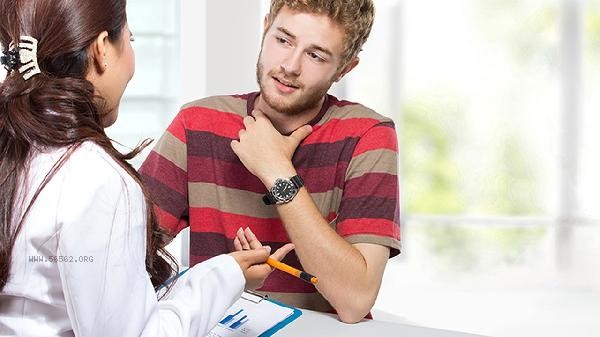
Before daily physical examinations, it is recommended to understand the specific requirements of the examination institution in advance. Generally, it will be clearly informed whether fasting, fasting, and water deprivation are necessary. If the physical examination includes endoscopic examinations such as gastroscopy and colonoscopy, the requirements for fasting and water restriction are more stringent, and it may be necessary to start a liquid diet or take laxatives one day in advance. It is best to wear loose clothing on the day of the physical examination, avoid wearing metal jewelry, and maintain a stable mood. If you are unable to eat on an empty stomach due to special circumstances, you can proactively communicate with your doctor, and some projects can be scheduled for supplementation without excessive anxiety.








Comments (0)
Leave a Comment
No comments yet
Be the first to share your thoughts!