
After a blood test, there may be pain in the hands, usually caused by local reactions at the puncture site or nerve stimulation. In most cases, it is not severe and can be relieved on its own. This kind of pain is mainly caused by puncture injury, subcutaneous congestion, nerve sensitivity, phlebitis or infection.
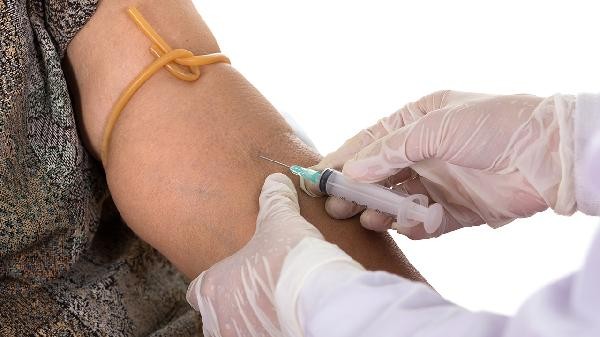
1. Puncture injury:
When drawing blood, the needle punctures the skin and blood vessel wall, causing slight damage to the local tissue, which is the most common cause of pain. This type of pain usually manifests as needle like or mild soreness, limited to the area around the puncture site. Generally, no special treatment is required. Keep the puncture site dry and clean, and avoid contact with water for 24 hours. The pain will gradually disappear within 1-2 days. If the pain is obvious, apply a warm towel locally for 10-15 minutes after 24 hours to promote blood circulation and relieve discomfort.
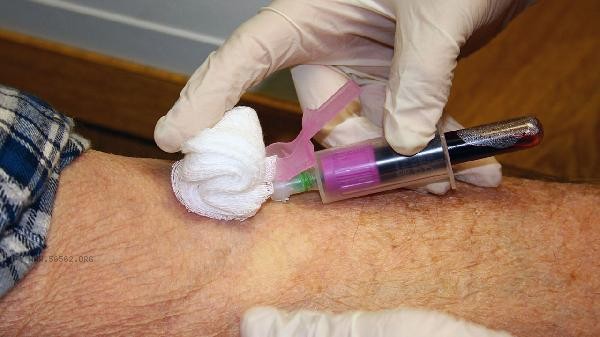
2. Subcutaneous congestion: Improper compression or slightly poor coagulation function after blood extraction may cause a small amount of blood to seep into the subcutaneous tissue, forming bruising or hematoma, compressing the surrounding nerves and causing pain. The pain is mostly bloating or dull, with visible purplish green patches in the local area. It is recommended to immediately press the puncture point with a sterile cotton swab or gauze for 5-10 minutes after blood draw, without rubbing. When bruising occurs, apply a cold towel within 24 hours to reduce bleeding; Change to hot compress after 24 hours to promote the absorption of blood stasis. Usually, bruising will subside on its own within 1-2 weeks.
3. Neurosensitivity:
When drawing blood, the needle may accidentally stimulate the superficial nerve endings under the skin, causing transient neural reactions and radiating pain or numbness. This type of pain often manifests as stabbing pain along the inner side of the arm or in the direction of the fingers, as well as an electric sensation. In most cases, this neural stimulation is temporary and does not require special treatment. After resting for a few days, symptoms will naturally alleviate. If the pain lasts for more than 3 days or is accompanied by finger movement disorders, it is recommended to seek medical attention in a timely manner. Doctors may prescribe nerve nourishing drugs such as mecobalamin tablets and vitamin B1 tablets, but they must be used according to medical advice.
4. Venoitis:
Poor disinfection during blood draw or repeated puncture of the same vein may cause local venous wall inflammation, manifested as redness, swelling, heat, pain along the vein, and palpable cord like induration. This situation is relatively rare. When phlebitis occurs, the affected limb should be raised to rest and vigorous activity should be avoided. It can be applied topically with polysaccharide cream under the guidance of a doctor, or orally with ibuprofen sustained-release capsules to relieve inflammation and pain. If the redness and swelling expand or are accompanied by fever, seek medical attention promptly.
5. Infection: Improper care of the puncture site after blood draw, such as premature contact with water or scratching with hands, may lead to bacterial invasion and cause local infection. Infectious pain is characterized by increased redness and swelling at the puncture site, elevated skin temperature, purulent discharge, and even fever. At this point, immediate medical attention is required. The doctor may prescribe antibiotics such as amoxicillin capsules or cefixime granules based on the degree of infection, but they must be evaluated by the doctor before use. Keep the puncture site dry in daily life and do not apply ointments or herbs casually. After a blood draw, hand pain is mostly a normal reaction. It is recommended that you keep the puncture site clean and dry, and avoid lifting heavy objects and vigorous exercise for 24 hours. If the pain is mild, it can be relieved through appropriate rest and local hot compress. If the pain continues to worsen, the redness and swelling range expands, or if there is fever, numbness and weakness in the arms, etc., it is necessary to seek medical attention from a general internal medicine or vascular surgery department in a timely manner for professional evaluation and treatment by a doctor. Drinking plenty of water after daily blood draws can help replenish blood volume and promote physical recovery.








Comments (0)
Leave a Comment
No comments yet
Be the first to share your thoughts!