
Not wanting to do things and only wanting to play with your phone may be a sign of procrastination or phone dependence, often related to factors such as lack of motivation, avoidance of stress, instant gratification preferences, dopamine dependence, and environmental temptations. Long term such behavior may affect work efficiency and quality of life, and targeted adjustments to behavior patterns are needed.

1. Lack of motivation
When task goals are unclear or there is a lack of intrinsic motivation, the brain will prioritize low-energy entertainment activities. You can try breaking down big tasks into small goals, giving appropriate rewards for completing each stage, and gradually establishing a positive feedback loop. Keeping a daily achievement list can also help enhance the willingness to take action.
2. Stress Avoidance
Anxiety caused by facing difficult tasks can trigger avoidance reactions, and mobile entertainment becomes a temporary safe haven. It can be alleviated through the five minute activation method - promise to only process tasks for five minutes first, and usually anxiety will naturally decrease after the start. Relaxation exercises such as deep breathing can also improve stress levels.
3. Instant gratification preference
The brain is naturally inclined to choose activities that provide immediate feedback. Suggest establishing a delay fulfillment mechanism, such as using dedicated apps to set a phone lock period, which can only be unlocked after completing a predetermined task. The physical isolation method, such as placing the phone out of sight, also has a significant effect.
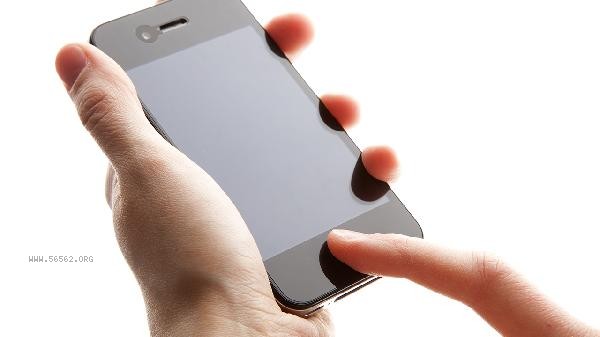
4. Dopamine dependence
High frequency stimuli such as short videos can lead to neural adaptation and reduce interest in common tasks. Sensitivity can be gradually restored through digital detoxification, such as setting daily phone free periods and rebuilding neural reward mechanisms with alternative activities such as reading or exercise.
5. Environmental temptation
The mobile phone usage behavior of people around them can trigger imitation effects. You can form study groups to supervise each other, or choose to work in low temptation environments such as libraries. Environmental improvements such as using warm lights and organizing desks can also reduce distractions. Improving mobile phone dependence requires gradual progress and avoiding self blame. It is recommended to start by reducing mobile phone usage by half an hour every day and filling in leisure time with meaningful activities. Developing mindfulness habits can help detect patterns of automatic mobile phone play, and the tomato work method can be used to balance focus and rest during office work. Long term adjustments require establishing clear boundaries between work and life, and seeking psychological counseling if necessary to explore deeper motivations. Maintaining a regular schedule and moderate exercise can improve overall energy levels and fundamentally reduce avoidance of mobile phone use.





Comments (0)
Leave a Comment
No comments yet
Be the first to share your thoughts!