
The inability to control thoughts in the mind may be related to psychological states such as anxiety disorder, obsessive-compulsive disorder, and post-traumatic stress disorder, or it may be a normal phenomenon of active thinking. Common causes of uncontrolled thinking include long-term stress, lack of sleep, emotional fluctuations, neurotransmitter disorders, and organic brain lesions.
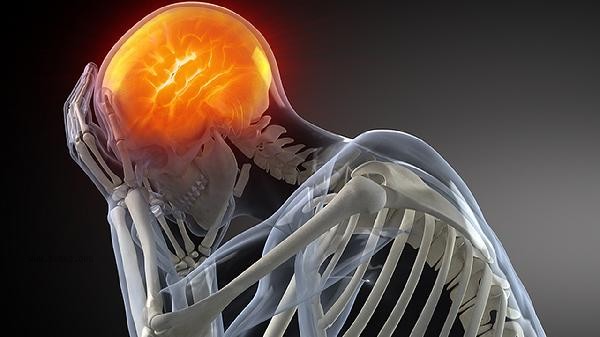
1. Anxiety mindset invasion
Continuous worry and catastrophic imagination are typical characteristics of anxiety thinking, which often emerge automatically and are difficult to stop. Anxiety patients often experience invasive thinking such as repeatedly checking whether doors and windows are closed properly and overly worrying about the safety of their loved ones. The mind blocking technique in cognitive-behavioral therapy can help shift attention, while mindfulness training can enhance awareness of thoughts without getting caught up in them.
2. Compulsive Repetitive Thinking
Obsessive compulsive disorder patients may uncontrollably repeat certain thoughts, such as suspecting that they haven't locked the door, fearing pollution, etc. These thoughts are often accompanied by compulsive behavior, forming a vicious cycle of thinking behavior. Exposure and response prevention therapy can gradually reduce sensitivity to compulsive thinking, and selective serotonin reuptake inhibitors can regulate related neurotransmitters.
3. Traumatic Memory Flashback
Flashbacks caused by traumatic experiences can suddenly enter consciousness, accompanied by strong emotions and physiological reactions. The amygdala of patients with post-traumatic stress disorder is overactive, leading to the inability to integrate traumatic memories properly. Eye movement desensitization and reprocessing therapy can help restructure traumatic memory, and certain antidepressants can alleviate accompanying symptoms of depression and anxiety.

4. Mental rumination phenomenon
Mental rumination in depressive states is characterized by repeated thinking about the causes and consequences of negative events, which can exacerbate emotional depression. Behavioral activation therapy breaks the thought cycle by increasing positive activity, and regular aerobic exercise can promote the secretion of brain-derived neurotrophic factors to improve mood.
5. Creative Thinking Roaming
Some people are born with stronger thinking and association abilities. Although this divergent thinking may affect concentration, it is also a source of creativity. Meditation training can enhance metacognitive abilities and teach one to observe without judging fluid thinking. For artists, recording these spontaneous inspirations appropriately can actually promote creativity. Establishing regular sleep habits can help stabilize brain rhythms, and moderate daily exercise can promote the secretion of dopamine and endorphins. Increase the intake of deep-sea fish rich in omega-3 fatty acids and reduce refined sugar intake in diet. When the loss of control of thinking seriously affects daily life, it is recommended to seek professional psychological assessment, cognitive training, and necessary medication intervention to effectively improve symptoms. Keeping a mind diary can help identify triggering factors, and progressive muscle relaxation techniques can alleviate accompanying physical tension.








Comments (0)
Leave a Comment
No comments yet
Be the first to share your thoughts!