
Traditional Chinese medicine (TCM) treatment of tumor needs to be an auxiliary means based on regular medical treatment, mainly using traditional Chinese medicine conditioning, acupuncture and moxibustion, dietotherapy and other methods to improve symptoms and enhance the body's resistance to disease. Tumors are a major disease, and patients should prioritize modern medical treatments such as surgery, radiation therapy, and chemotherapy. Traditional Chinese medicine interventions should be strictly used in accordance with medical advice.
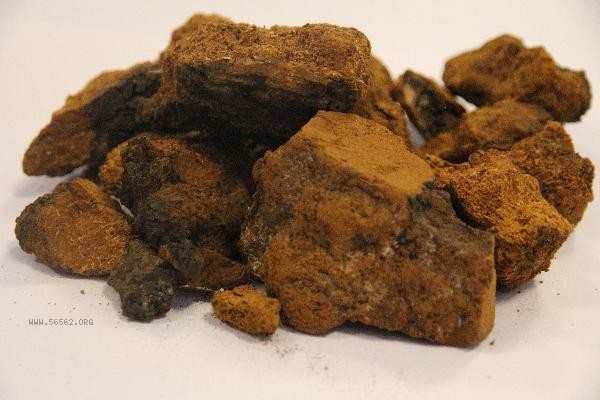
1. Traditional Chinese Medicine Regulation
Traditional Chinese medicine formulates personalized prescriptions based on the characteristics of imbalance of qi, blood, yin and yang in cancer patients. Medications such as Astragalus membranaceus and Ganoderma lucidum can regulate immune function, while heat clearing and detoxifying drugs such as Hedyotis diffusa and Scutellaria barbata may inhibit tumor growth. It should be noted that traditional Chinese medicine may affect the metabolism of chemotherapy drugs, and full communication with the attending physician is necessary before taking it. The representative prescriptions include Xihuang Pill, Pingxiao Capsule and other traditional Chinese patent medicines and simple preparations, but they cannot replace the standard anti-tumor treatment.
2. acupuncture and moxibustion therapy
improves nausea, vomiting, pain and other symptoms after radiotherapy and chemotherapy by stimulating Zusanli, Guanyuan and other acupoints. Research shows that acupuncture and moxibustion may regulate the secretion of neurotransmitters such as serotonin, but it has no direct therapeutic effect on the tumor itself. The operation should be performed by a professional acupuncture and moxibustion, and should not be used for patients with thrombocytopenia or infection.
3. Dietary therapy assistance
recommends spleen strengthening ingredients such as Coix seed and yam to improve digestive function, and yin nourishing ingredients such as Tremella fuciformis and Lily to alleviate dry mouth. Avoid using expensive supplements such as cordyceps that claim to have anti-cancer properties, as their efficacy lacks evidence-based evidence. Diet should focus on easily digestible and high protein foods, and avoid spicy and stimulating foods.
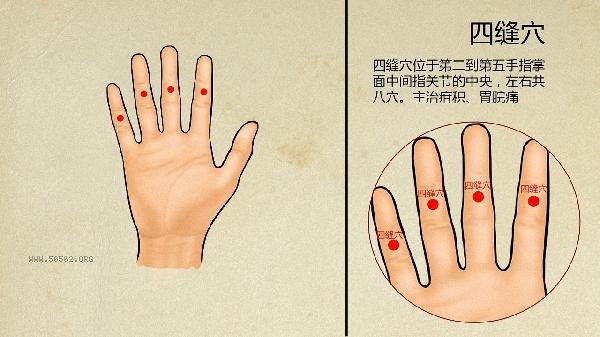
4. Qigong regulation
Relaxing exercises such as Ba Duan Jin and Tai Chi can improve patients' anxiety and cancer-related fatigue. Exercise intensity should be controlled, and individuals with bone metastases or thrombocytopenia should avoid the risk of falls. This type of method is only used as a psychological support tool and cannot affect the standardized treatment process.
5. Emotional regulation
Traditional Chinese medicine believes that depression, anger, and liver damage may accelerate the progression of the disease, and emotional guidance can be achieved through music therapy and the theory of the Five Elements. However, excessive emphasis on emotional illness may increase the psychological burden on patients and should be accompanied by professional psychological intervention. The core principle of traditional Chinese medicine in treating tumors is to strengthen the body and eliminate evil, and all interventions must be carried out under the supervision of a specialist oncologist. Patients should undergo regular follow-up imaging and tumor markers, and should not delay surgery or chemotherapy due to traditional Chinese medicine treatment. During treatment, liver and kidney function should be monitored to avoid interactions between traditional Chinese medicine and targeted drugs. Maintain moderate exercise and sufficient sleep, pay attention to balanced nutrition in diet without special dietary restrictions, and the final treatment plan should be based on modern medical guidelines.
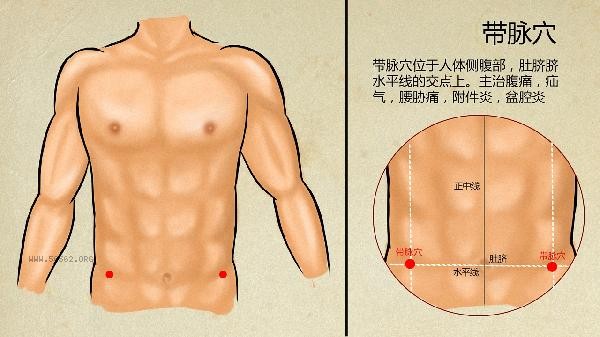





Comments (0)
Leave a Comment
No comments yet
Be the first to share your thoughts!