
Traditional Chinese medicine mainly uses comprehensive conditioning methods such as strengthening the body and eliminating evil, and treating based on syndrome differentiation to assist in improving symptoms in cancer treatment. However, it cannot replace the core treatments of modern medicine such as surgery, radiotherapy, or chemotherapy. Cancer patients need to receive standardized treatment in regular hospitals, and traditional Chinese medicine can be used as an auxiliary means to alleviate side effects or improve their quality of life.
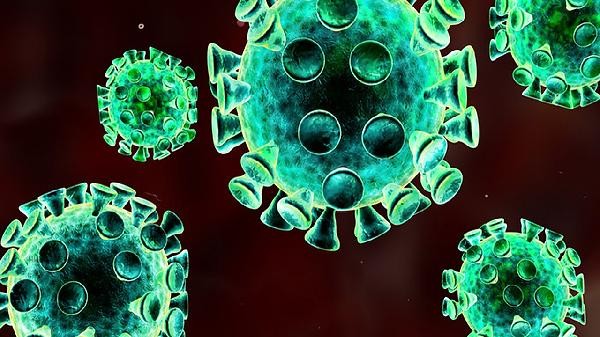
The core idea of Chinese medicine in treating cancer is to adjust the balance of yin and yang and the movement of qi and blood, and improve the physique of patients by means of traditional Chinese medicine, acupuncture and moxibustion, moxibustion, etc. Commonly used traditional Chinese medicines such as Huangqi and Lingzhi have immunomodulatory effects and can alleviate bone marrow suppression after radiotherapy and chemotherapy; Hedyotis diffusa, Scutellaria barbata and other heat clearing and detoxifying drugs may inhibit the tumor microenvironment. Acupuncture and moxibustion can regulate the neuroendocrine function by stimulating specific acupoints to alleviate cancer pain or nausea and vomiting symptoms. Some traditional Chinese medicine formulas, such as Xihuang Wan and Pingxiao Capsules, have been proven by modern research to have anti-tumor active ingredients, but they need to be used in combination under the guidance of an oncologist.
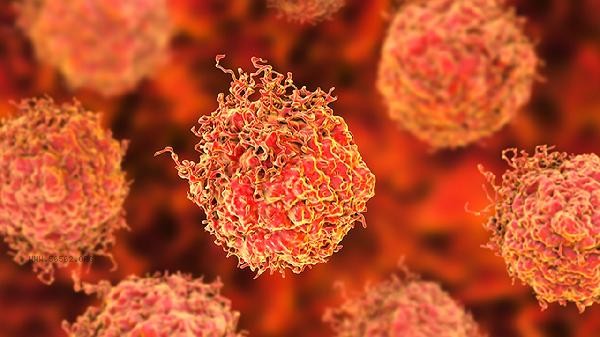
Cancer patients should avoid three misconceptions when using traditional Chinese medicine treatment: firstly, refusing standardized treatment and relying solely on traditional Chinese medicine may delay the optimal treatment timing; The second is the misuse of traditional Chinese medicines such as toad venom and arsenic, which can easily lead to damage to liver and kidney function; Thirdly, there is a tendency to believe in folk remedies and a lack of evidence-based medicine. It is recommended that patients seek treatment in the integrated traditional Chinese and Western medicine department of a tertiary hospital. Professional physicians should develop personalized traditional Chinese medicine intervention strategies based on pathological types, stages, and treatment plans, and regularly review and evaluate the efficacy and safety. During the period of traditional Chinese medicine treatment, cancer patients should maintain a light and easily digestible diet, consume moderate amounts of spleen strengthening ingredients such as yam and coix seed, and avoid spicy and stimulating foods. Maintaining a regular daily routine and moderate exercise, such as Eight Section Brocade, Tai Chi, and other gentle exercises, can help promote smooth circulation of qi and blood. When abnormal bleeding, persistent fever, or liver dysfunction occurs during the treatment process, traditional Chinese medicine should be stopped immediately and medical attention should be sought. The entire process of traditional Chinese medicine treatment requires the cooperation of modern medical imaging and laboratory monitoring to ensure safe and effective treatment.





Comments (0)
Leave a Comment
No comments yet
Be the first to share your thoughts!