
Baking soda can effectively remove various stains through dissolution, adsorption, and chemical reactions. The main methods for removing stains with baking soda include direct powder application, solution soaking, paste like application, use with white vinegar, and high-temperature assistance.
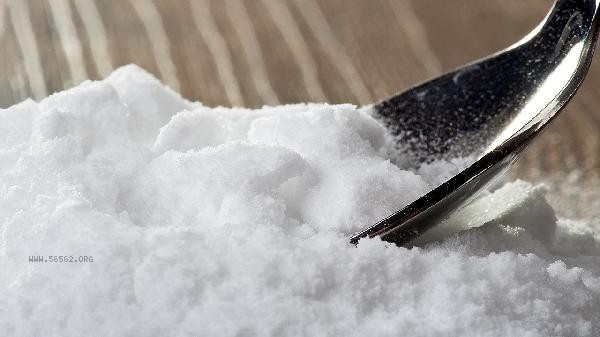
1. Directly sprinkle powder
For dry powdery stains such as flour and dust, baking soda can be directly sprinkled on the surface of the stain and left to stand. Baking soda's fine particles can adsorb oil and impurities, making it suitable for items such as carpets and plush toys that are not suitable for washing with water. When processing, gently brush the surface with a soft bristled brush, and after the powder turns gray, pat and remove it. Repeat until the stain fades away.
2. Solution soaking
Mix baking soda with warm water in proportion to form a solution, suitable for organic stains such as sweat and blood on fabrics. Soak clothes in baking soda per liter of water to decompose protein based dirt in an alkaline environment. Cotton and linen materials can be soaked for a long time, while silk and wool should not be soaked for more than 20 minutes. After soaking, they should be thoroughly rinsed to avoid residue.
3. Paste application
Mix baking soda with a small amount of water to make a thick paste, suitable for treating stubborn stains such as kitchen oil stains and oven scorch. Paste can prolong the contact time and enhance the cleaning effect. After application, let it stand and then wipe it with a sponge. When handling stainless steel stoves, attention should be paid to the strength to avoid scratching the surface. Ceramic glazed surfaces can be cleaned with nylon brushes to enhance cleanliness.
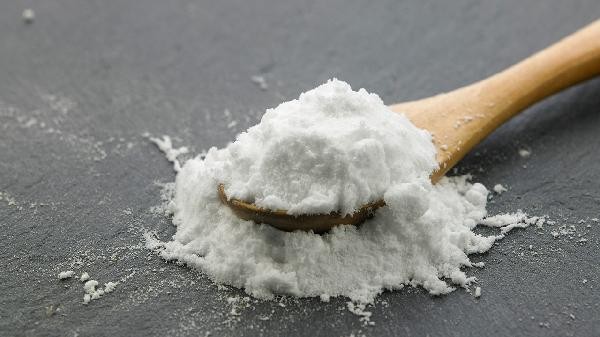
4. Mix baking soda with white vinegar to produce a bubble reaction, suitable for removing dirt or calcified water stains from drainage pipes. The alternating use of the two can decompose organic blockages, but it should be noted that they cannot be mixed in advance to avoid weakening the effect. When dealing with the inner wall of the toilet, sprinkle baking soda first and then spray vinegar. After the reaction is complete, use a toilet brush to scrub and flush it clean.
5. High temperature assistance
For baking dry stains, you can sprinkle baking soda on the stain and cover it with a hot towel. Heat can accelerate the chemical reaction between baking soda and stains, making it suitable for treating wax stains or iron residue on tablecloths. When cleaning the inner wall of a microwave oven, it is better to use a damp cloth dipped in baking soda and heat it before wiping. The temperature should be controlled below 60 degrees Celsius.
When using baking soda for cleaning, the material selection method should be used, and it is recommended to test the color fastness of fabrics in inconspicuous places first. After cleaning, items should be thoroughly rinsed to avoid alkaline residue, and metal surfaces should be wiped dry in a timely manner after treatment. Baking soda should be kept dry during daily storage as clumping can affect its effectiveness. For special stains such as paint, ink, and other non organic stains, it is recommended to use professional cleaning agents for treatment.







Comments (0)
Leave a Comment
No comments yet
Be the first to share your thoughts!