
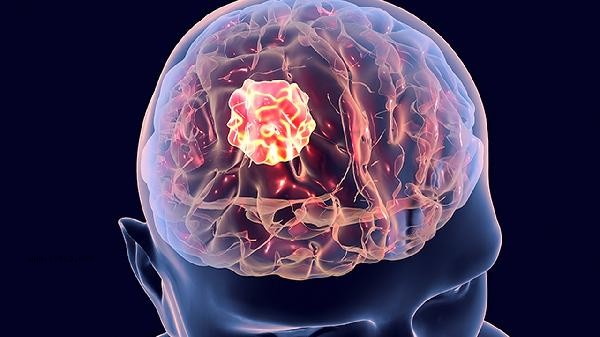
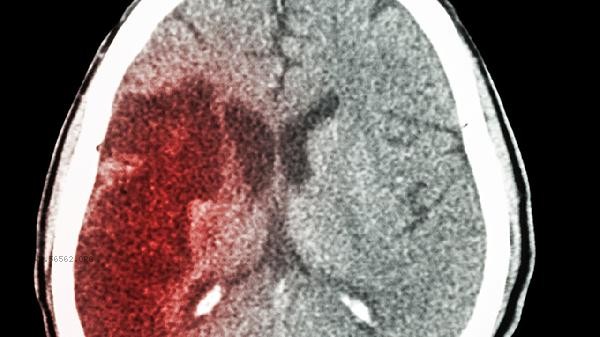
Psychological anxiety after cerebral infarction can be treated through psychological counseling, medication therapy, rehabilitation training, family support, and traditional Chinese medicine regulation. Psychological anxiety after cerebral infarction may be related to factors such as brain tissue damage, neurotransmitter disorders, limb dysfunction, social role changes, and cognitive biases related to the disease. It usually manifests as symptoms such as low mood, sleep disorders, palpitations and chest tightness, avoidance of socializing, and excessive worry.
1. Psychological counseling
Cognitive behavioral therapy can help patients correct their misconceptions about the disease and reduce catastrophic thinking. Supportive psychotherapy alleviates loneliness through listening and empathy, while group therapy can use mutual assistance among patients to enhance treatment confidence. It is recommended to receive professional psychological counseling 2-3 times a week, in conjunction with relaxation training such as mindfulness breathing. If accompanied by depressive symptoms, antidepressant medication should be used in combination.
2. Drug therapy
Paroxetine hydrochloride tablets are suitable for patients with generalized anxiety disorder and can regulate serotonin levels to improve mood. Lorazepam tablets can quickly alleviate acute anxiety attacks, but short-term use is necessary to avoid dependence. Mecobalamin tablets can nourish damaged nerves and improve emotional regulation disorders caused by cerebral ischemia. All medications must be evaluated by a neurologist before use, and self adjustment of dosage is prohibited.
3. Rehabilitation Training
Gradual functional exercises can restore physical activity and alleviate anxiety caused by functional impairments. Homework therapy reconstructs confidence through daily life skills training, while music therapy can stimulate the limbic system of the brain to regulate emotions. It is recommended to engage in 30 minutes of aerobic exercise every day, such as wheelchair exercises or bedside steps. Rehabilitation therapists should monitor the exercise to prevent falls.
4. Family Support
Family members should learn non critical communication skills to avoid overprotection or blame. Jointly develop feasible rehabilitation goals and motivate patients through small achievements. Regular family meetings can adjust care plans in a timely manner, create accessible home environments, and reduce frustration. We need to be vigilant that excessive substitution behavior by family members can lead to a decrease in patients' self-efficacy.
5. Chinese Medicine Conditioning
acupuncture and moxibustion and moxibustion can calm the nerves and resolve the mind by taking Baihui, Shenmen and other acupoints, and ear points press beans to select reflex areas such as heart and kidney to regulate autonomic nerves. Tianwang Buxin Dan is suitable for anxiety caused by yin deficiency and fire hyperactivity, while Guipi Tang is more effective for both heart and spleen deficiency types. Traditional Chinese medicine fumigation combined with massage can relieve muscle tension, but it needs to be treated by a traditional Chinese medicine practitioner based on syndrome differentiation. Avoid eating spicy and stimulating foods during treatment.

Daily care for anxiety after cerebral infarction requires maintaining a regular schedule, ensuring 7-8 hours of sleep every day, and taking a nap of no more than 30 minutes. Choose foods rich in tryptophan, such as millet and bananas, and limit caffeine intake. Perform soothing exercises such as Baduanjin at least 3 times a week to avoid blood pressure fluctuations caused by intense activity. It is recommended that family members accompany and participate in community rehabilitation activities to gradually rebuild their social circle. Regularly review head CT scans to assess brain recovery. If there is persistent emotional loss, timely follow-up visits should be made to adjust treatment plans.




Comments (0)
Leave a Comment
No comments yet
Be the first to share your thoughts!