
The treatment of metrorrhagia and fistula by traditional Chinese medicine is mainly based on syndrome differentiation, and the common methods include Chinese medicine conditioning, acupuncture and moxibustion therapy, moxibustion therapy, diet conditioning and life care. In traditional Chinese medicine, collapse and leakage belong to the category of menstrual disorders, which are often related to factors such as spleen deficiency, kidney deficiency, blood heat, and blood stasis. Corresponding treatment plans should be selected according to specific syndrome types.

1. Traditional Chinese Medicine Conditioning
Traditional Chinese medicine conditioning is the core method for treating metronidazole, and different prescriptions should be selected according to the syndrome type. The commonly used modified Gui Pi Tang for spleen deficiency type includes Huangqi, Codonopsis pilosula, Atractylodes macrocephala, etc. It can strengthen the spleen, invigorate qi, and stop bleeding. Kidney deficiency type is commonly used as Guchong Decoction or Zuogui Pill, which contains prepared rehmannia, cornus officinalis, etc. Blood heat type commonly uses Qingre Gujing Tang, which contains medicinal herbs such as Huangqin and Shengdi for clearing heat and cooling blood. Blood stasis type commonly uses Zhuyu Zhixue Tang, which contains blood activating and stasis removing ingredients such as Danshen and Sanqi. Individualized prescriptions must be issued by traditional Chinese medicine practitioners after differentiation of symptoms, and patients are not allowed to self medicate.
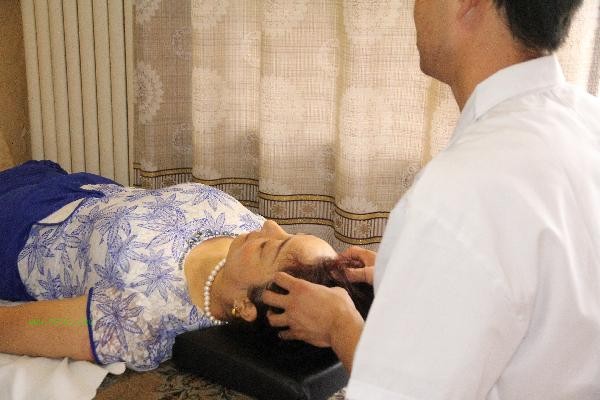
2. acupuncture and moxibustion therapy
acupuncture and moxibustion regulates the function of Chong and Ren meridians by stimulating specific points. The commonly used main acupoints include Guan Yuan, San Yin Jiao, Yin Bai, etc., and the matching acupoints are adjusted according to the syndrome type. Spleen deficiency combined with Zusanli and Spleen Shu, kidney deficiency combined with Kidney Shu and Taixi, blood heat combined with Blood Sea and Quchi, blood stasis combined with Phlegm Shu and Blood Sea. The technique of tonifying and purging can be used, with needle retention for 20-30 minutes, treated 2-3 times a week. Moxibustion at the Yin Bai acupoint has a good effect on stopping bleeding and can be used in combination.
3. Moxibustion therapy
Moxibustion achieves the goal of warming meridians and stopping bleeding through warm stimulation. Commonly used acupoints include Guan Yuan, Qi Hai, Zu San Li, etc. Ginger separated moxibustion or mild moxibustion can be used, with each acupoint moxibustion lasting 5-10 minutes, with local skin redness as the degree of intensity. The deficiency cold type of collapse and leakage is particularly suitable for moxibustion treatment, which can warm and nourish the spleen and kidney yang qi. Patients with blood heat type should use moxibustion with caution, and the decision should be made after evaluation by a traditional Chinese medicine practitioner. Moxibustion treatment should last for 1-2 menstrual cycles, and the effect is better when combined with traditional Chinese medicine.

4. Dietary regulation
Diet should be light and nutritious, avoiding spicy and stimulating foods. People with spleen deficiency can eat spleen strengthening ingredients such as yam, red dates, and lotus seeds, while those with kidney deficiency are suitable for kidney tonifying foods such as black sesame, walnuts, and goji berries. During bleeding, lotus root charcoal and mugwort charcoal can be used to boil water instead of tea, which has a astringent and hemostatic effect. Normally, moderate consumption of Danggui Ginger Lamb Soup is recommended, but it should be avoided during acute bleeding. Patients with blood heat type should avoid warm foods such as lamb and longan, and can consume cool blood ingredients such as water chestnuts and lotus roots in moderation.
5. Life care
Avoid vigorous exercise and heavy physical labor during menstruation, and maintain emotional stability. Pay attention to keeping your abdomen warm and avoid catching a cold. Establish a regular schedule to ensure adequate sleep. You can practice Ba Duan Jin and Tai Chi to regulate qi and blood through isothermal and physical exercises. Record menstrual cycles and changes in menstrual flow for physicians' reference during follow-up visits. During acute massive bleeding, one should rest in bed and seek medical attention promptly. During the treatment period, avoid eating raw and cold foods, quit smoking and limit alcohol consumption, and reduce caffeine intake.

Traditional Chinese Medicine emphasizes overall regulation in the treatment of metronidae, and it is necessary to adhere to 3-6 menstrual cycles to achieve results. Regular follow-up visits should be conducted during the treatment period, and the plan should be adjusted according to changes in symptoms. Excessive or prolonged bleeding may lead to anemia, and can be supplemented with nutritional support such as iron supplements. If conservative treatment is ineffective or organic diseases are suspected, gynecological examinations should be conducted promptly. Pay attention to balancing work and rest in daily life, keep the perineum clean, choose breathable cotton underwear, avoid baths and sexual activity until the symptoms are completely relieved.





Comments (0)
Leave a Comment
No comments yet
Be the first to share your thoughts!