
After blanching mung bean sprouts, it is recommended to drain the water and store them in a sealed container for 1-2 days. There are five main storage methods: draining, sealing, refrigeration, freezing, vacuum packaging, soaking in vinegar, and dehydration and drying.
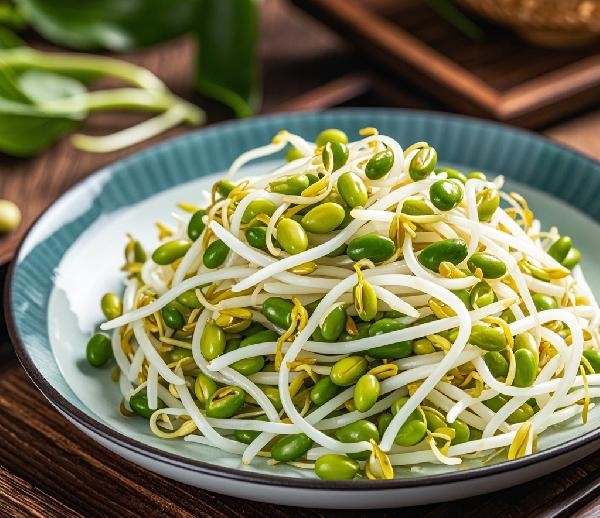
1. Drain, seal and refrigerate
After blanching, the mung bean sprouts should be thoroughly drained of surface moisture, and any remaining water droplets should be absorbed with kitchen paper before being placed in a fresh-keeping box or sealed bag. The refrigeration temperature should be controlled between 0-4 degrees Celsius to avoid direct contact with other fresh ingredients. During the refrigeration process, check daily for any mucus or odor, and discard immediately if there are signs of deterioration.
2. Cryopreservation
Divide the blanched and cooled mung bean sprouts into small portions, wrap them with plastic wrap, and place them in a specialized freezing bag. The freezing temperature should be below minus 18 degrees Celsius and can be stored for about a month. When thawing, it is recommended to use it directly for stir frying or boiling soup to avoid repeated freezing and thawing, which can cause the texture to become soft and rotten. After freezing, the taste will appear slightly soft and suitable for filling or stewing dishes.
3. Vacuum packaging
Using a household vacuum machine to remove air from the packaging can effectively inhibit microbial growth. Vacuum packaged blanched mung bean sprouts can be refrigerated for 3-4 days and frozen for up to 2 months. When packaging, it is advisable to consume each portion in one serving. The unused portion after opening should be consumed within 24 hours.

4. Soaking in Vinegar Water
Soak blanched mung bean sprouts in a solution of white vinegar and water in a ratio of 1:5. The vinegar concentration should not be too high to avoid affecting the flavor. After soaking for 10 minutes, remove and drain, then refrigerate. Acidic environment can inhibit bacterial growth, and the shelf life can be extended to 3 days. This method is suitable for preparing cold dishes and can maintain the crispy and tender taste of bean sprouts.
5. Dehydration and drying
After blanching, wrap the mung bean sprouts in gauze and hang them in a ventilated place to dry in the shade, or use a food dryer to dry them at 50 degrees Celsius for 6-8 hours. The completely dehydrated bean sprouts need to be sealed and moisture-proof for storage, and can be stored for one month at room temperature. Soak in warm water for 10 minutes before consumption, suitable for making soup or dishes that require stored ingredients such as vegetarian meat floss.

Regardless of the storage method used, it is necessary to ensure that the bean sprouts are blanched in boiling water for more than 30 seconds to achieve sterilization effect during blanching treatment. Storage containers should be washed and disinfected with boiling water before use, and the refrigerator should be cleaned regularly to prevent cross contamination. It is recommended to choose a suitable storage method based on the subsequent cooking method. For cold dishes, refrigeration is preferred for short-term storage, while for hot dishes, freezing can be considered. People with special physical conditions should confirm that the bean sprouts are not spoiled or spoiled before consumption. If there is swelling, stickiness, or odor, stop eating immediately.








Comments (0)
Leave a Comment
No comments yet
Be the first to share your thoughts!