
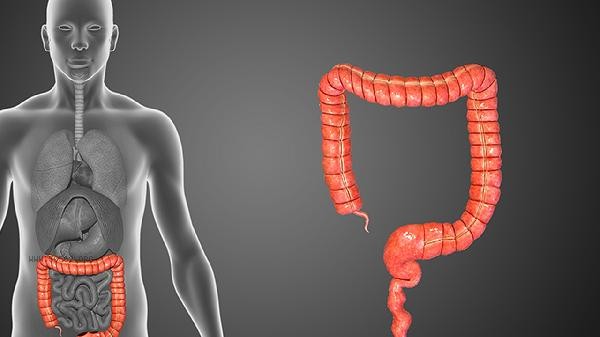
The psychological problems of patients with functional gastrointestinal diseases can be intervened through psychological counseling, cognitive-behavioral therapy, medication therapy, lifestyle adjustments, social support, and other methods. Functional gastrointestinal diseases may be related to factors such as abnormal gastrointestinal motility, visceral hypersensitivity, and dysfunction of the brain gut axis, often accompanied by emotional disorders such as anxiety and depression.
1. Psychological counseling
suggests that patients undergo professional evaluation under the guidance of a gastroenterologist and a psychologist. By listening to patients' complaints and explaining the correlation between illness and emotions, help patients establish correct cognition. For example, using supportive psychotherapy to alleviate excessive attention to symptoms and avoid increasing psychological burden due to repeated medical visits. Parents should pay attention to the emotional changes of adolescent patients and guide them to express their feelings in a timely manner.
2. Cognitive behavioral therapy
corrects erroneous cognition such as catastrophizing thinking by recording symptom diaries to identify triggering factors. Guide patients to learn techniques such as abdominal breathing and progressive muscle relaxation to alleviate somatic symptoms. Research has shown that this method can reduce the recurrence rate of irritable bowel syndrome patients by 50%, but it needs to be done 1-2 times a week for 8-12 weeks.
3. Medication therapy
For moderate to severe anxiety and depression, selective serotonin reuptake inhibitors such as paroxetine hydrochloride tablets and escitalopram oxalate tablets can be used according to medical advice to regulate brain gut axis function. Gastrointestinal motility promoting drugs such as mosapride citrate tablets can improve symptoms of functional dyspepsia. Be alert to drug interactions and gastrointestinal side effects.

4. Lifestyle adjustment
Establish a regular schedule to avoid staying up late and ensure 7-8 hours of sleep per day. Adopt a low FODMAP diet to reduce the intake of gas producing foods such as onions and beans. Engage in 3-5 aerobic exercises such as brisk walking and swimming per week to improve mood by releasing endorphins. Parents should help children develop personalized exercise plans.
5. Social Support
Encourage joining patient support groups to share coping experiences, and family members should avoid overreacting to the patient's symptoms. Improving emotional regulation through mindfulness training, research has shown that 20 minutes of meditation per day can reduce stress responses. The workplace may apply to adjust work intensity and provide occupational counseling if necessary. Patients with functional gastrointestinal diseases should maintain a daily water intake of 1500-2000 milliliters and avoid consuming caffeine and alcohol. You can try consuming fermented dairy products rich in probiotics to regulate the gut microbiota, combined with abdominal massage to promote gastrointestinal peristalsis. If there are persistent warning symptoms such as weight loss and rectal bleeding, immediate follow-up is required. It is recommended to follow up every 3 months to evaluate the psychological status and treatment effectiveness, and adjust the intervention plan if necessary.




Comments (0)
Leave a Comment
No comments yet
Be the first to share your thoughts!