
The key to soaking green bean sprouts in winter lies in controlling temperature and humidity, which can be achieved through methods such as soaking in warm water, avoiding light and keeping them moist, changing water regularly, promoting growth through weight pressing, and regulating low temperatures.
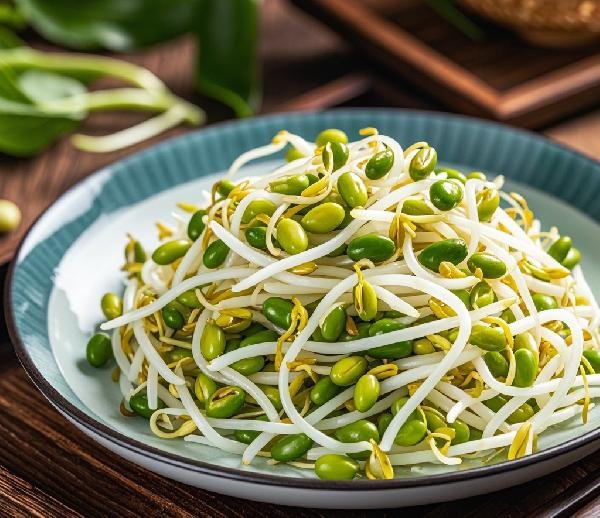
1. Soaking in Warm Water
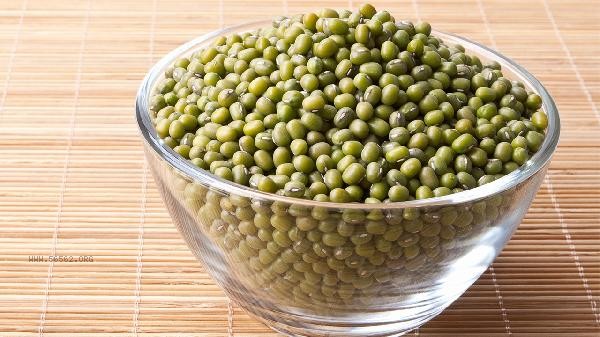
In winter, when the water temperature is low, it is recommended to soak mung beans in warm water at around 30 ℃ for 6-8 hours for the first time, which can help activate seed activity. The water temperature should not exceed 40 ℃ to avoid scalding the embryo. Choose a wide mouthed basin or bucket as the soaking container to ensure that the beans fully absorb water and expand, and the water level should be completely below twice the height of the beans.
2. Avoid light and moisturize
Place the soaked mung beans in a drainage basket, cover with 2-3 layers of moist gauze, and place in a dark and ventilated place. Spray water 3-4 times a day to keep the gauze moist and maintain an ambient humidity of around 70%. The container can be covered with a black plastic bag to block light and prevent the bean sprouts from turning green and producing bitterness when exposed to light.
3. Regularly change water
Rinse the bean sprouts with 20 ℃ water once a day in the morning and once in the evening to wash away metabolites and replenish oxygen. Gently rinse to avoid damaging the tender shoots. After draining, invert the drainage basket for 10 minutes to prevent water accumulation from causing decay. In winter, the frequency of water change can be appropriately reduced to once a day.
4. Weight Boosting
Place a clean weight of about 500 grams, such as a plate, above the drain basket and add water to stimulate the robust growth of bean sprouts and stems through moderate pressure. The pressure should be evenly distributed to avoid local compression deformation. After sprouting for 2 days, remove the heavy object and let the bud naturally stretch.
5. Low temperature control
When the room temperature in winter is lower than 15 ℃, the germination container can be placed in a foam box or wrapped with old clothes for insulation. The ideal germination temperature is 18-25 ℃. If the temperature is too low, use a 40 ℃ warm water bag at intervals to increase the temperature, but avoid direct contact with the bean sprouts. Reduce the temperature to around 10 ℃ during the late stage of germination to slow down the growth rate.

When soaking mung bean sprouts in winter, special attention should be paid to stable environmental temperature. It is recommended to choose relatively warm areas such as south facing balconies or kitchens. During germination, avoid frequent opening of the lid for inspection, and promptly restore the shading state after each operation. If bean sprouts have a sticky or unpleasant odor, they should be discarded immediately. Successfully grown bean sprouts should be consumed within 3-5 days. Remove the root hairs before cooking, blanch, and stir fry to preserve nutrients to the maximum extent. People with weak and cold constitution can balance their cold properties with ginger shreds and Sichuan peppercorns, which are isothermal ingredients.








Comments (0)
Leave a Comment
No comments yet
Be the first to share your thoughts!