
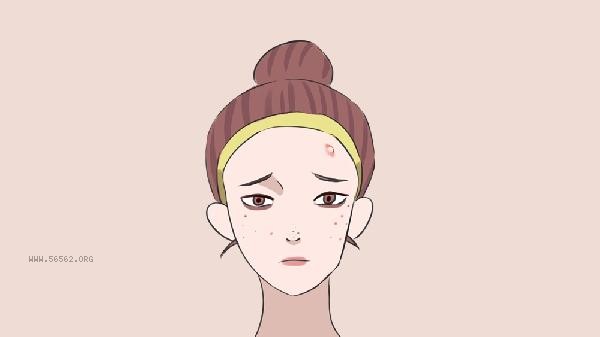
Newly emerging acne scars can be improved through sun protection care, topical medication, chemical exfoliation, laser treatment, microneedling therapy, and other methods. Acne scars are usually caused by pigment deposition or capillary dilation after inflammation, and targeted treatment should be selected according to the type.
1. Sunscreen Care
Ultraviolet rays can aggravate pigmentation acne scars. Daily use of broad-spectrum sunscreen with SPF30 or above is recommended to avoid direct exposure to sunlight. Physical sun protection such as wearing a hat or umbrella can help reduce UV stimulation. Sunscreen should last for 3-6 months, and when combined with other treatments, it can accelerate the fading of acne scars.
2. Topical medication
Hydroquinone cream can inhibit tyrosinase activity and reduce melanin production, vitamin A yogurt cream can promote epidermal renewal, and compound arbutin cream can block melanin transport. Medications should be used under the guidance of a doctor to avoid overlapping with irritating skincare products. Pigmented acne scars can take effect after 2-3 months of medication.
3. Chemical exfoliation
Glycolic acid peeling promotes epidermal turnover by dissolving the stratum corneum with 20% -70% concentration of glycolic acid. Salicylic acid skin rejuvenation is suitable for acne scars accompanied by acne, which can resist inflammation and unclog pores. It needs to be operated by a professional physician, with a treatment interval of 2-4 weeks. After 3-5 treatments, the acne scars will significantly fade.
4. Laser therapy
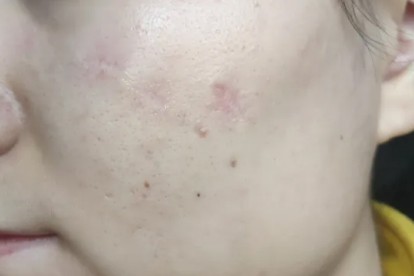
Q-switched laser selectively destroys melanin, suitable for brown acne scars. Pulse dye laser targeting hemoglobin can improve red acne scars. Treatment is required 2-4 times, with a one month interval between each treatment. Short term scab formation may occur after surgery, and strict sun protection is necessary to avoid blackening.
5. Micro needle therapy
Roller micro needles stimulate collagen regeneration and improve concave acne scars. Gold microneedles combined with radiofrequency can synchronously tighten the skin. The treatment depth is 0.5-2.5 millimeters, and avoid contact with water for 24 hours after surgery. 3-6 treatments are required, and the use of repair products can enhance the effectiveness.
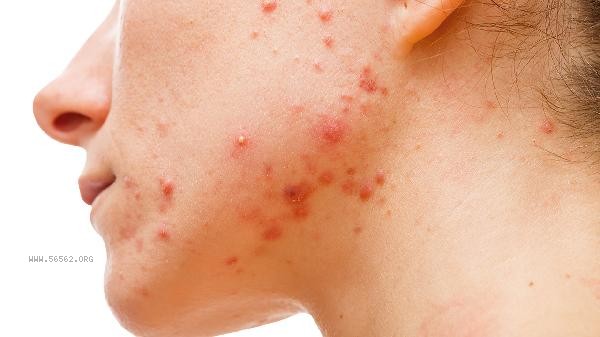
During acne treatment, avoid squeezing acne and keep the affected area clean. Consuming foods rich in vitamin C, such as citrus fruits and broccoli, can help inhibit melanin synthesis. Ensuring sufficient sleep can promote skin repair, and daily use of skincare products containing niacinamide can assist in reducing pigmentation. If acne scars are accompanied by persistent redness, swelling, or hyperplasia, it is recommended to seek timely medical attention from a dermatologist.







Comments (0)
Leave a Comment
No comments yet
Be the first to share your thoughts!