
The muscle tension and tightness caused by anxiety disorders can be alleviated through relaxation training, moderate exercise, psychological therapy, medication, and lifestyle adjustments. Muscle tightness is a common physical symptom of anxiety disorder, which is related to the overactivation of the neuromuscular system caused by long-term stress.

1. Relaxation Training
Progressive muscle relaxation is an effective method for relieving muscle tension, which helps the body perceive the difference between tension and relaxation by alternately contracting and relaxing different muscle groups. Abdominal breathing training can regulate autonomic nervous system function, and daily practice can reduce muscle tension. Meditation and mindfulness exercises can also help shift attention away from physical discomfort and reduce muscle tension.
2. Moderate Exercise
Regular aerobic exercises such as brisk walking and swimming can promote the secretion of endorphins, alleviate anxiety, and improve muscle tension. Yoga combined with breath control and posture stretching is particularly suitable for relieving tension in the shoulder, neck, and back muscles. The appropriate intensity of exercise should be slight sweating to avoid exacerbating symptoms due to excessive fatigue.
3. Psychotherapy
Cognitive behavioral therapy can help identify and change anxious thinking patterns that lead to muscle tension. Exposure therapy has a significant effect on physical tension caused by specific situations. Group therapy provides social support and reduces the somatic symptoms caused by loneliness. Treatment usually requires multiple repetitions to establish new neural response patterns.

4. Drug therapy
Under the guidance of a doctor, selective serotonin reuptake inhibitors can be used to regulate neurotransmitter balance. Short term use of benzodiazepines can quickly alleviate acute muscle spasms. Some antidepressants have muscle relaxant effects, but it should be noted that the medication may cause side effects such as drowsiness. Regular follow-up visits are required to evaluate the efficacy during medication.
5. Lifestyle Adjustment
Maintaining a regular schedule can help stabilize autonomic nervous system function and reduce muscle tension. Restricting caffeine and alcohol intake can reduce neural excitability. Warm water bath and hot compress can promote local blood circulation and temporarily relieve muscle fiber tension. Cultivating hobbies such as painting and music can divert excessive attention from physical discomfort.
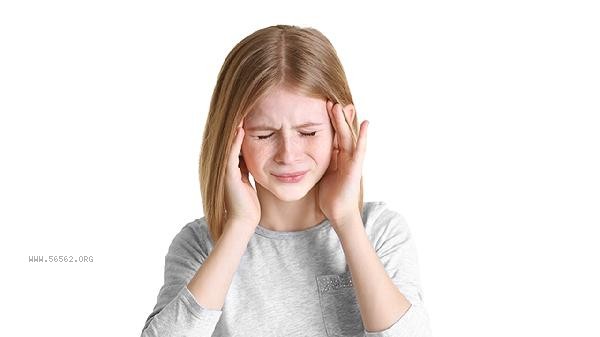
Long term muscle tension may lead to secondary problems such as headaches and fatigue. It is recommended to record the triggering factors and relief methods of symptoms. Establish a daily plan that includes aerobic exercise, breathing exercises, and social activities, and seek professional psychological support if necessary. To avoid excessive dependence on medication for relief, the focus should be on long-term strategies to rebuild physical and mental balance. Maintaining patience is important, as the improvement of muscle tension symptoms usually takes several weeks.




Comments (0)
Leave a Comment
No comments yet
Be the first to share your thoughts!