
Panics during anxiety attacks can be quickly relieved through methods such as deep breathing, shifting attention, muscle relaxation, mindfulness meditation, and seeking support. Anxiety attacks are often related to emotional stress, neurotransmitter imbalances, environmental stimuli, and other factors. Panic is a typical manifestation of overactivation of the autonomic nervous system.

1. Deep Breathing
Slow abdominal breathing can directly act on the parasympathetic nervous system, helping the body to calm down from stress. Inhale deeply through the nose for 4 seconds, hold your breath for 2 seconds, and then exhale slowly through the mouth for 6 seconds. Repeat this process to lower your heart rate. Avoid rapid chest breathing and exhale longer than inhale to activate the relaxation response.
2. Shifting Attention
Shifting attention from physical discomfort to specific sensory experiences, such as observing five colors in the environment, touching clothing objects, listening to background sounds, etc. This method blocks the vicious cycle of anxious thinking by occupying cognitive resources, reducing excessive attention to symptoms of palpitations.
3. Muscle Relaxation
adopts a progressive muscle relaxation technique, sequentially tightening and then relaxing muscle groups such as toes, calves, thighs, abdomen, arms, etc., keeping each part tense for 5 seconds before completely relaxing. This active relaxation can alleviate muscle stiffness caused by anxiety and regulate nervous system excitability through bodily feedback.

4. Mindfulness meditation
focuses on the current breathing or bodily sensations without judgment, observing the natural disappearance of palpitations like a tidal wave. Mindfulness practice can change cognitive response patterns to anxiety and reduce catastrophizing thinking. It is recommended to use a mobile app to guide beginners to quickly enter a meditative state.
5. Seeking Support
Contact family and friends or join an online psychological support group to share your feelings and receive emotional support. Social connections can promote the secretion of oxytocin and counteract the effects of stress hormones. If you are alone, you can call the psychological assistance hotline. Professional guidance can enhance your confidence in coping.
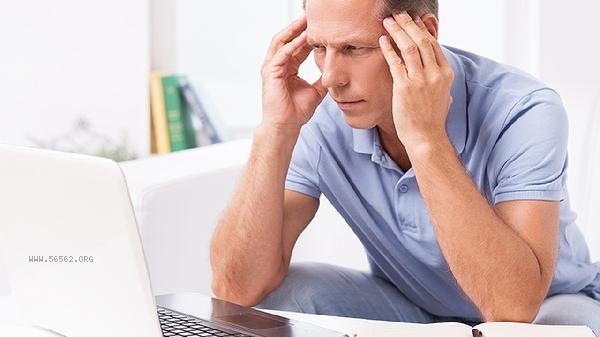
It is necessary to maintain a regular daily routine and moderate exercise. Engaging in aerobic exercise three times a week can help regulate neurotransmitter balance. Reduce caffeine and alcohol intake, practice body and mind regulating activities such as yoga or tai chi. Recording the triggers and coping processes of anxiety attacks can help identify patterns and prevent recurrence. If symptoms occur frequently or are accompanied by chest pain or suffocation, it is recommended to seek medical attention as soon as possible to assess whether medication or psychological intervention is needed.




Comments (0)
Leave a Comment
No comments yet
Be the first to share your thoughts!