
Quick removal of acne on the face can be improved through methods such as cleansing and oil control, topical medication, physical therapy, adjusting diet, and regular sleep patterns. Acne is often related to factors such as excessive sebum secretion and abnormal keratinization of hair follicles. It is necessary to avoid squeezing to prevent infection.
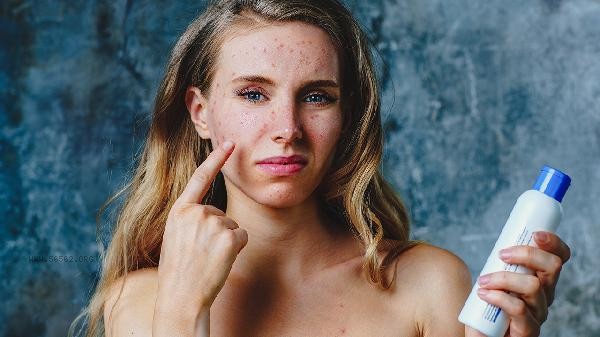
1. Cleaning and Oil Control
Use a mild amino acid facial cleanser daily to clean the face, with water temperature controlled at 32-35 degrees Celsius, to avoid excessive cleaning that can damage the skin barrier. Oily skin can use cleansing products containing salicylic acid or sulfur once or twice a week to help dissolve keratin plugs. After cleaning, timely use refreshing moisturizing lotion to maintain water oil balance and reduce excessive secretion of sebaceous glands.
2. Local application
According to the doctor's advice, the topical application of retinoic acid cream can regulate the keratinization of hair follicles, and the peroxide benzoyl gel can inhibit the reproduction of Propionibacterium acnes. Adapalene gel is suitable for stubborn acne, and should be used in dark at night. During medication, skin peeling may occur, and medical repair dressings can be used to relieve irritation. Avoid using potent acne products on your own that may cause skin sensitivity.
3. Physical therapy
Professional needle cleaning carried out by medical institutions can quickly remove mature acne, and combined with red and blue light therapy, it can reduce inflammation and inhibit bacteria. Chemical peels, such as acid peels, can promote keratin metabolism and improve hair follicle blockage. Micro needle therapy stimulates collagen regeneration to repair acne scars, which requires the operation of a professional physician. After treatment, strict sun protection is required, and medical dressings with the appropriate equipment number should be used for care.
4. Adjust diet
Reduce intake of high sugar and high-fat dairy products, and drink sufficient plain water daily to promote metabolism. Add dark vegetables such as carrots and spinach that are rich in vitamin A, and supplement with zinc to assist in oil control. Moderate consumption of foods containing omega-3 such as salmon and walnuts can help with anti-inflammatory effects. Avoid spicy and stimulating foods that can induce excessive sebum secretion in sebaceous glands.
5. Regular sleep schedule
Ensuring that you fall asleep before 23:00 helps with the normal secretion of melatonin and regulates skin repair function. continuously staying up late can exacerbate fluctuations in testosterone levels, leading to increased facial oil production in the morning. Engage in 3-4 aerobic exercises such as jogging and swimming per week to promote smooth pores through sweating. When experiencing long-term stress, one can try mindfulness meditation to alleviate anxiety related acne.
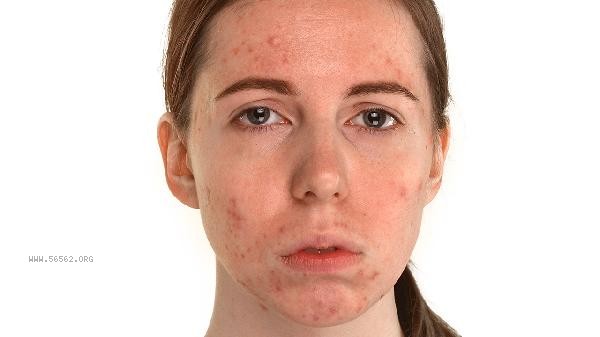
During acne care, it is necessary to stop using heavy makeup and choose sunscreen products with non acne causing formulas. Pillow covers should be replaced every 2-3 days to avoid bacterial growth. If acne recurs or redness, swelling, and pustules appear, it is recommended to go to a dermatologist for fungal microscopy, hormone level testing, and other screening to identify endocrine factors. Do not rely on acne facial mask or folk prescription for a long time. Improper treatment may cause pigmentation or scar hyperplasia.





Comments (0)
Leave a Comment
No comments yet
Be the first to share your thoughts!