
The anxiety of children before the middle school entrance examination can be alleviated through psychological counseling, adjusting their daily routine, moderate exercise, family support, and professional intervention. Middle school entrance exam anxiety may be related to factors such as academic pressure, self expectations, family environment, peer competition, and physiological changes.

1. Psychological Counseling
Parents need to help their children identify sources of anxiety and alleviate psychological burden through listening and empathy. Children can be guided to record their emotions in a diary or use mindfulness breathing techniques to relieve tension. If anxiety is accompanied by persistent insomnia or depression, it is recommended to use traditional Chinese patent medicines and simple preparations such as Anshen Bunao Liquid and Zaoren Anshen Capsule under the guidance of a psychologist.
2. Adjust your schedule
One month before the exam, you should set a fixed schedule and ensure 7-8 hours of sleep every day. Avoid staying up late to review and schedule a 20 minute nap during lunchtime. Stop using electronic devices one hour before bedtime and drink warm milk or jujube seed tea to aid sleep. Disruption of daily routine may lead to symptoms such as headaches and lack of attention.
3. Moderate Exercise
Engaging in 30 minutes of aerobic exercise such as skipping rope or jogging daily can promote the secretion of endorphins and alleviate anxiety. The appropriate exercise intensity is a heart rate not exceeding (220 age) x 60%. Avoid physical fatigue caused by intense exercise and replenish electrolytes promptly after exercise.

4. Family Support
Parents should avoid overemphasizing exam scores and use more encouraging language. We can jointly develop a practical and feasible review plan, breaking down the big goals into daily small tasks. Family conflicts can exacerbate anxiety, and it is necessary to maintain a peaceful communication atmosphere.
5. Professional Intervention
When physical symptoms such as palpitations, hand tremors, or sustained low mood occur, timely assistance from a psychologist should be sought. Cognitive behavioral therapy has a significant effect on test anxiety, and if necessary, doctors may recommend short-term use of anti anxiety drugs such as sertraline hydrochloride tablets.
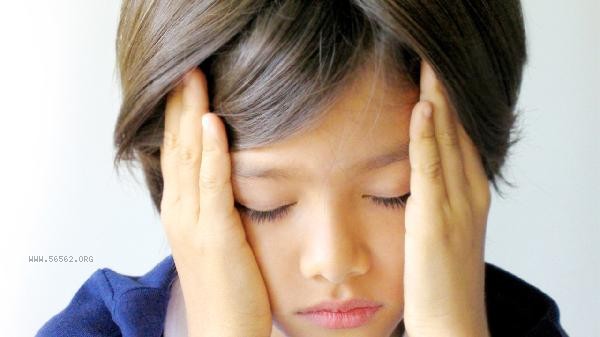
Before the exam, it is advisable to have a light and easily digestible diet, and eat more foods rich in tryptophan such as bananas and oats. Ensure one hour of exposure to natural light for outdoor activities every day, and do shoulder and neck relaxation exercises during study breaks. If anxiety symptoms continue to worsen, parents should accompany them to the hospital's psychological department for evaluation and avoid using sedatives on their own. Establish a mindset of 'process over outcome' to help children cope with exams with a calm mindset.




Comments (0)
Leave a Comment
No comments yet
Be the first to share your thoughts!