
Edamame can be stored for winter consumption through five methods: freezing, salting, vacuum sealing, sun drying, and refrigeration.
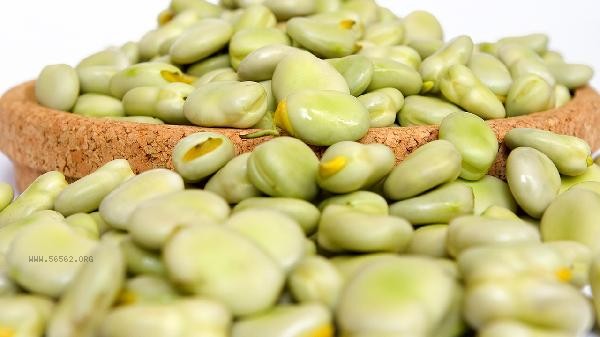
1. Freeze
Peel fresh edamame and blanch for 2 minutes. Remove from the water and drain with supercooled water. Pack into sealed bags and let out air before freezing. Freezing can preserve the emerald green color and nutritional content of edamame to the greatest extent possible. After thawing, the taste is similar to fresh edamame, making it suitable for direct cooking or as a side dish. Be careful to avoid repeated thawing, and immediately put it back into the freezer after each use.
2. Salted
The edamame pods are boiled in salt water and then cooled. They are then placed in a disinfected container and soaked in saturated salt water. The surface is weighted to ensure complete immersion. Salted edamame can be stored for several months and should be soaked in water to remove salt before consumption. This method can make the texture of edamame tough and suitable as a side dish or stew ingredient, but people with high blood pressure need to control their consumption.
3. Vacuum sealing
After blanching, the edamame can be vacuum sealed by removing the air seal inside the packaging with a vacuum machine. It can be stored for one month in refrigeration and up to six months in freezing. The vacuum state can effectively prevent oxidation and microbial growth, with a higher retained vitamin C content than ordinary freezing, suitable for dishes that require high freshness of ingredients, but require specialized equipment for operation.

4. Sun drying
Old and ripe edamame should be sun dried with pods until the moisture content is below 15%. After removing the shells, they should be dried and stored. The dried soybean kernels need to be soaked for 12 hours before cooking. The concentration of protein and carbohydrate is increased, which is suitable for cooking Congee or making bean paste. Attention should be paid to mold prevention in humid areas of the south, and it can be stored in conjunction with food desiccants.
5. Refrigeration
Untamed edamame can be stored in a fresh-keeping bag for up to one week. Storing with a shell can reduce water loss. Short term refrigerated edamame is suitable for direct boiling or microwave heating, with good taste and sweetness retention. However, over time, starch will gradually convert into sugar, leading to a decrease in sweetness.

When consuming and storing edamame in winter, it is recommended to prioritize frozen or vacuum preserved edamame as they have less nutrient loss. Before cooking, frozen edamame does not need to be thawed and can be directly put into the pot. Salted edamame needs to be soaked in water to remove salt, while dried edamame should be soaked in advance. Edamame stored in different ways can be paired with meat for stewing, stir frying, or made into edamame puree to supplement plant protein and dietary fiber. Pay attention to whether there is mold or odor during storage, and those with gastrointestinal sensitivity should heat it up thoroughly before consumption.








Comments (0)
Leave a Comment
No comments yet
Be the first to share your thoughts!