
If you have hypertension and want to pass a physical examination, the key is to temporarily control your blood pressure within the normal range through lifestyle interventions and following medical advice before the examination. Hypertensive patients can usually cope with physical examinations by adjusting their daily routine, diet, and medication, but it must be based on the premise of ensuring their health, and they cannot blindly stop taking medication or take extreme measures.
1. Adjust your schedule and mood:
Ensure sufficient sleep the night before the physical examination, avoid staying up late and overworking, as lack of sleep can lead to sympathetic nervous system excitation and increase blood pressure. On the day of the physical examination, maintain a stable mindset and avoid emotional fluctuations such as tension and anxiety. You can close your eyes to rest or listen to soothing music while waiting for the examination. These measures help reduce the impact of stress reactions on blood pressure.
2. Dietary control:
Start a low salt diet three days before the physical examination, with a daily salt intake of less than 5 grams, and avoid pickled vegetables, cured meat, sausages, and other pickled foods. The dinner before the physical examination should be light, mainly consisting of vegetables and miscellaneous grains, and avoiding high-fat and high protein foods. On the morning of the physical examination, on an empty stomach, do not drink water or only drink a small amount of plain water, and avoid drinking stimulating drinks such as coffee and strong tea.
3. Rational drug use:
This is the most crucial step. On the morning of the physical examination, take daily antihypertensive drugs such as nifedipine controlled-release tablets, irbesartan tablets, hydrochlorothiazide tablets, etc. with a small amount of warm water on time. Do not stop taking the medication or increase or decrease the dosage without authorization. Long term regular medication is the basis for controlling blood pressure. Sudden discontinuation of medication may lead to a rebound increase in blood pressure, which can actually affect physical examination results and harm health.

4. Avoid strenuous activities:
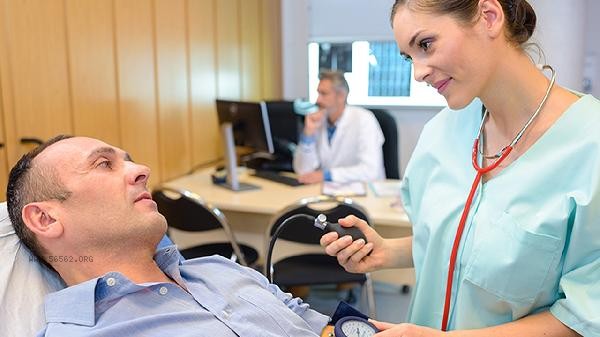
Three days before the physical examination, avoid engaging in strenuous exercise or heavy physical labor, such as running, playing ball, lifting heavy objects, etc. Intense activity can accelerate heart rate and temporarily increase blood pressure, affecting the accuracy of measurement results. On the day of the physical examination, one should move slowly in the morning and avoid getting up quickly or running on the road. After arriving at the hospital, sit quietly and rest for 10-15 minutes before measuring blood pressure.
5. Smoking cessation and alcohol restriction:
Smoking should be strictly stopped one week before the physical examination, as nicotine in tobacco can stimulate blood vessel constriction, leading to elevated blood pressure. At the same time, avoid drinking alcohol as it can interfere with the effectiveness of antihypertensive drugs and cause blood pressure fluctuations. On the night before the physical examination and in the morning of the same day, smoking and alcohol should be avoided to ensure that the measured values can truly reflect the stable state after taking medication. The key for hypertensive patients to pass physical examinations is to maintain daily stable management of blood pressure, rather than last-minute cramming. It is recommended to adhere to a low salt diet, maintain a regular daily routine, follow medical advice for long-term use of antihypertensive drugs, and regularly monitor blood pressure. If the blood pressure is still high during the physical examination, the doctor should be truthfully informed of their medical history and medication situation for comprehensive evaluation. Do not resort to extreme measures such as taking excessive medication or using unknown drugs in order to pass a physical examination, as this may lead to low blood pressure, fainting, and even more serious health risks. Health is more important than physical examination results, and long-term standardized treatment is fundamental.









Comments (0)
Leave a Comment
No comments yet
Be the first to share your thoughts!