
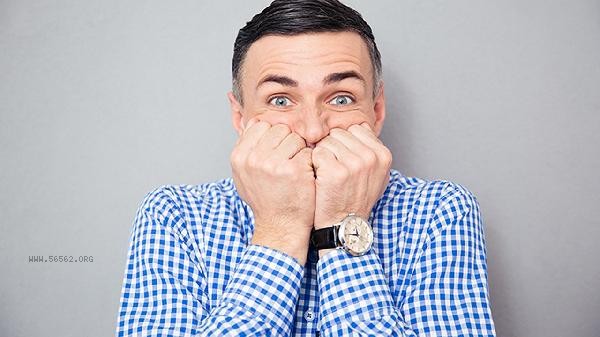
Overcoming fear can be achieved through cognitive behavioral adjustment, progressive exposure therapy, mindfulness training, social support, and professional psychological intervention. Fear psychology is usually caused by factors such as traumatic experiences, genetic susceptibility, environmental stress, neurobiochemical imbalances, or specific situational triggers.

1. Cognitive Behavioral Adjustment
identifies and corrects erroneous perceptions of fear sources, such as providing logical rebuttal training to social anxiety sufferers and analyzing irrational thoughts in fear scenarios using mind recording tables. Collaborative behavioral experiments, such as gradually verifying hypotheses, can reduce expectations of catastrophic outcomes for fearful objects. The commonly used cognitive restructuring techniques combined with relaxation training in clinical practice require the development of personalized plans under the guidance of psychotherapists.
2. Progressive Exposure Therapy
Systematically engage with fear stimuli and adapt step by step according to anxiety levels, such as patients with acrophobia starting from viewing pictures of high places, transitioning to standing on a balcony, and finally climbing high. The exposure process needs to be accompanied by heart rate monitoring and subjective anxiety scoring. It is recommended that the duration of a single exposure reach the anxiety level and naturally fall back. For specific phobias, virtual reality exposure therapy can provide a controllable and safe training environment.
3. Mindfulness training
reduces the physiological arousal of fear through meditation exercises that focus on the present experience, including techniques such as body scanning and breath anchoring. 20-30 minutes of daily mindfulness practice can enhance the regulation of the amygdala by the prefrontal cortex and reduce conditioned fear responses. Research shows that adhering to an 8-week mindfulness based stress reduction course can significantly reduce anxiety levels.
4. Social Support Enhancement
Establishing a reliable emotional support network can buffer the stress response caused by fear, including joining homogeneous groups, regular confiding with friends and family, and partner collaborative training. For children with phobias, parents should adopt a consistent calming strategy to avoid overprotection or punitive responses. Supportive interpersonal relationships can promote the formation of fear fading memories.
5. Professional psychological intervention
For stubborn fear disorders, professional treatment may be considered, such as acceptance commitment therapy to improve psychological flexibility, eye movement desensitization, and reprocessing of traumatic memory. Severe cases may require combination therapy, such as paroxetine tablets to control generalized anxiety and lorazepam tablets to alleviate acute attacks, but must strictly follow the prescription of a psychiatrist. Regular aerobic exercise such as jogging and swimming can be maintained in daily life to promote the secretion of endorphins and regulate emotions; Increase the intake of foods rich in omega-3 fatty acids such as salmon and walnuts; Establish a stable sleep rhythm and avoid caffeine and alcohol intake. It is recommended to record the triggering factors and coping processes of fear attacks, and seek evaluation from the clinical psychology department or mental health center of a tertiary hospital if necessary. When persistent fear affects social function for more than one month, timely medical attention should be sought.





Comments (0)
Leave a Comment
No comments yet
Be the first to share your thoughts!