
Overcoming anxiety can be achieved through lifestyle adjustments, psychological counseling, professional treatment, practicing relaxation techniques, and establishing support systems. Anxiety may be related to genetic factors, environmental stress, physiological changes, psychological trauma, specific diseases, and other factors.
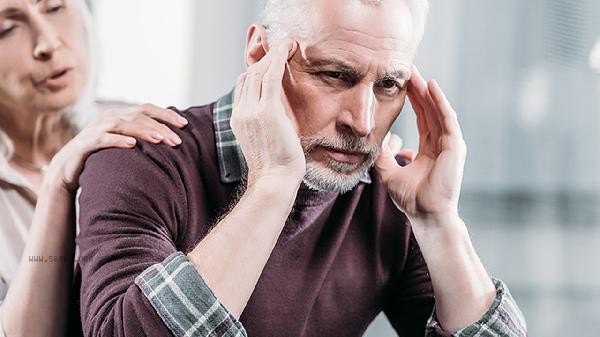
1. Adjusting Lifestyle
Establishing regular sleep habits and ensuring sufficient sleep time can help stabilize emotions. Moderate physical exercise, such as walking, jogging, yoga, etc., can promote the release of endorphins in the body and help relieve tension. Pay attention to a balanced diet, consume foods rich in vitamin B and magnesium in moderation, such as whole grains and dark green vegetables, and avoid excessive consumption of stimulating drinks such as coffee and strong tea. Reduce unnecessary sources of stress, arrange work and rest time reasonably, and cultivate healthy hobbies and interests.
2. Conduct psychological counseling
Identify and correct irrational thinking patterns that lead to anxiety through cognitive behavioral therapy and other psychological interventions. Learn to accept one's own emotions and avoid secondary evaluation and resistance to anxiety. You can try writing a diary and practicing mindfulness meditation to help organize your inner feelings and enhance your ability to perceive and manage emotions. Under the guidance of professionals, conduct systematic psychological training and gradually establish psychological strategies to cope with anxiety.
Third, receive professional treatment
When anxiety symptoms persist and seriously affect social function, they may be related to conditions such as generalized anxiety disorder and panic disorder. These diseases are usually related to neurotransmitter imbalances, long-term stress, and other factors, often manifested as excessive worry, palpitations, sweating, restlessness, and other symptoms. It is recommended to undergo standardized treatment under the guidance of a doctor, who may prescribe medications such as paroxetine hydrochloride tablets, sertraline hydrochloride tablets, lorazepam tablets, etc. based on the condition, and cooperate with psychological therapy.

Fourth, Practice Relaxation Techniques
Mastering techniques such as abdominal breathing and progressive muscle relaxation, actively applying them when feeling anxious, can quickly reduce physiological arousal levels. Regular relaxation training, such as listening to soothing music or taking warm baths, can help reduce overall tension. Integrating relaxation exercises into daily life and forming habits can enhance stress tolerance and prevent anxiety attacks.
Fifth, establish a support system
to maintain open communication with family and friends, share one's feelings and troubles, and obtain emotional support. Joining relevant support groups or communities and communicating with people who have similar experiences can reduce feelings of loneliness. When needed, actively seek help from professionals such as psychological counselors and psychiatrists. A stable social support network is an important resource for coping with anxiety. Overcoming anxiety is a continuous process that requires patience and persistence. In addition to the above methods, maintaining a stable rhythm in daily life is crucial to avoid drastic changes in life. Develop a positive problem-solving mindset and view challenges as opportunities for growth. If the anxiety still cannot be relieved after attempting self-regulation, or accompanied by severe physical symptoms such as persistent palpitations and difficulty breathing, it is recommended to seek timely treatment at a psychiatric or clinical psychology department for comprehensive evaluation and personalized treatment plans. Regular follow-up visits and following medical advice for treatment and adjustment are effective ways to manage anxiety and restore mental health.




Comments (0)
Leave a Comment
No comments yet
Be the first to share your thoughts!