
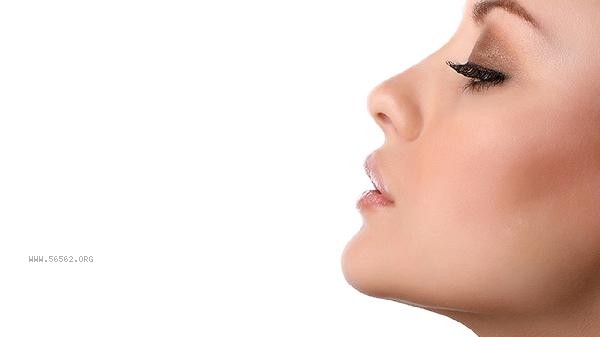
The thin and long eyelashes can be improved through nutritional supplementation, local care, medical aesthetics, and other methods. Eyelash growth is related to factors such as hair follicle health, nutritional supply, and hormone levels.
1. Nutritional supplementation
Protein is the main component of eyelashes, and moderate intake of high-quality proteins such as eggs, milk, fish, etc. can help promote hair follicle health. Vitamin E can promote blood circulation in hair follicles, and foods such as nuts and olive oil are rich in vitamin E. Iron deficiency may lead to fragile and fragile eyelashes, while animal liver and spinach are rich in iron. Vitamin B deficiency is associated with hair loss, and can be supplemented with whole grains, lean meat, etc. Biotin has a regulatory effect on hair growth, and foods such as egg yolks and mushrooms have high content.
2. Local care
The use of eyelash essence containing provitamin B5 can nourish hair follicles. Gently apply olive oil or castor oil to the roots of eyelashes to help maintain a moist environment. Avoid frequent use of eyelash curlers to reduce mechanical damage. When removing makeup, gently clean the roots of eyelashes with a cotton swab to prevent residue from clogging the hair follicles. Applying warm water to the eyes can promote local blood circulation, but the temperature should not exceed 40 degrees Celsius.
3. Medical beauty methods
Eyelash transplantation can transplant hair follicles from the occipital region to the eyelash area, with long-lasting effects but requiring professional operation. Low energy laser therapy can stimulate hair follicles to enter the growth phase, and multiple treatment courses are required to maintain the effect. Local injection of platelet rich plasma can activate dormant hair follicles and should be done in a reputable medical institution. Keratin eyelash care can temporarily thicken eyelash fibers and maintain it for a short period of time. Semi permanent eyelashes are bonded to fibers with special adhesive, and attention should be paid to the risk of allergies.
4. Lifestyle Habits
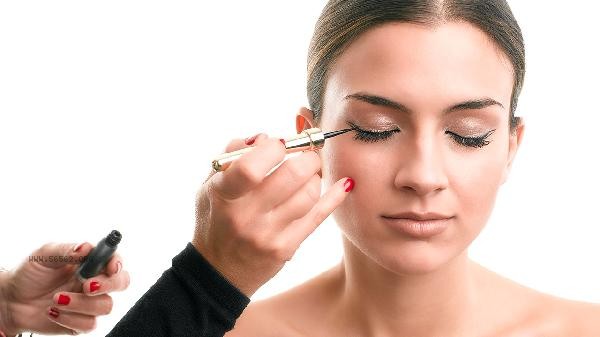
Ensuring 7-8 hours of sleep helps with the secretion of growth hormone. Quitting smoking can improve the microcirculation status of hair follicles. Reduce eye rubbing movements to avoid external pulling on eyelashes. Pay attention to cleanliness when wearing contact lenses to prevent infection from affecting hair follicles. Controlling stress levels, long-term anxiety may affect the hair growth cycle.
5. Medical intervention
Thyroid dysfunction may lead to sparse eyelashes, and TSH levels need to be checked. When androgenic alopecia is accompanied by eyelash shedding, minoxidil solution can be applied topically. Patients with alopecia areata who experience eyelash shedding require local injection of glucocorticoids. Eyelash shedding caused by contact dermatitis requires discontinuation of allergenic products. Some chemotherapy drugs can cause eyelash shedding, which can gradually recover after treatment.

Daily massage around the eyes can promote blood circulation, but the intensity should be gentle. Avoid using makeup remover products containing alcohol to stimulate hair follicles. Choose mild cleansing products without added fragrances. Wear sunglasses when going out to reduce UV damage. If there is unexplained eyelash shedding or hair follicle redness, it is recommended to seek timely medical attention from a dermatologist or ophthalmologist for examination. The eyelash growth cycle is relatively long, and any improvement method needs to be persisted for several months before the effect can be observed.






Comments (0)
Leave a Comment
No comments yet
Be the first to share your thoughts!